
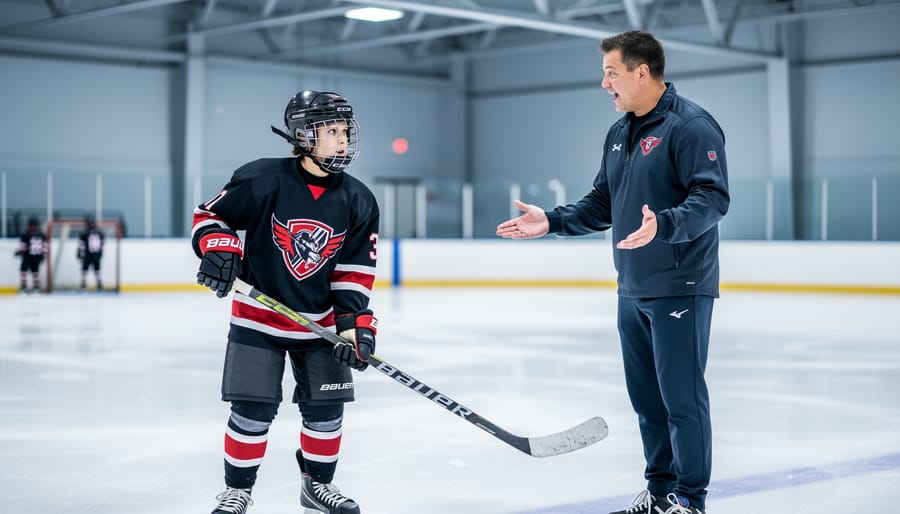
Youth sports programs in Markham, Ontario offer young hockey players a comprehensive pathway to physical fitness, mental resilience, and character development through structured league play, skill-building sessions, and community-focused coaching. Parents and coaches searching for the right program will find options ranging from recreational house leagues to competitive rep teams, each designed to meet athletes where they are while fostering growth beyond the rink.
The real value of these programs lies in their dual impact. Young athletes gain measurable physical benefits including improved cardiovascular health, coordination, and strength, while simultaneously developing critical life skills like teamwork, time management, and emotional regulation. Research consistently shows that children who participate in organized sports demonstrate higher levels of self-confidence and better academic performance compared to their non-athletic peers.
Markham’s youth hockey landscape reflects a broader understanding that athletic development cannot exist in isolation. The most effective programs recognize that young players are students first, balancing practice schedules with homework demands and treating academic success as non-negotiable. Coaches in these environments serve as mentors who reinforce the same discipline and goal-setting strategies that drive classroom achievement.
For families evaluating options in 2026, the decision extends beyond ice time and tournament schedules. The right program creates space for children to learn from setbacks, celebrate incremental progress, and build relationships that often last well into adulthood. It treats wins as teaching moments rather than final destinations and measures success through personal growth metrics that matter long after the final buzzer sounds.
This holistic approach transforms youth hockey from a weekend activity into a formative experience that shapes how young people approach challenges, value preparation, and understand their role within a team structure.
The Markham Youth Sports Landscape: Where Hockey Culture Thrives
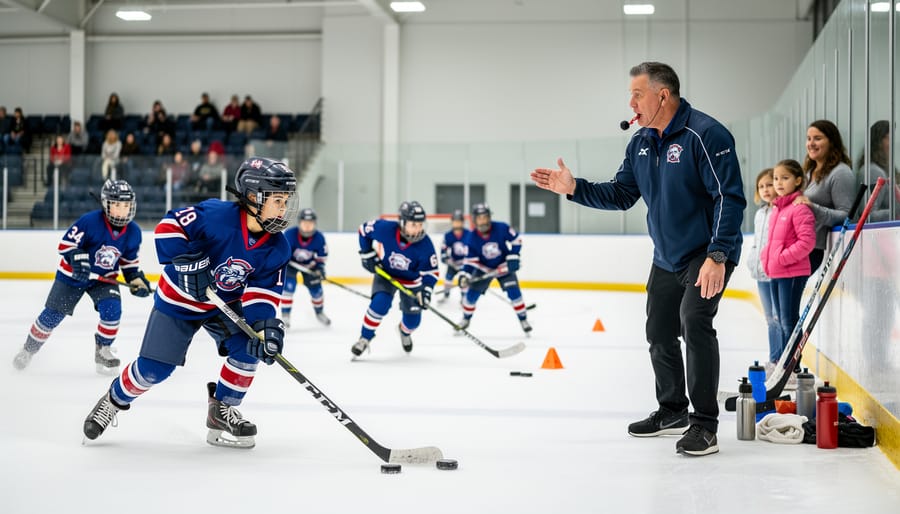
Markham has earned its reputation as one of Ontario’s premier youth hockey communities, not by accident, but through decades of deliberate investment in facilities, coaching, and programming that reflects the sport’s deep cultural roots here. The city boasts over a dozen ice facilities scattered across its neighbourhoods, from the flagship Markham Pan Am Centre to community arenas like Angus Glen and Centennial, creating a network that puts ice time within reach of most families. This infrastructure advantage translates directly into opportunity: more ice means more practice slots, shorter travel times, and programs that can accommodate players from their first wobbly strides to competitive rep-level commitments.
The variety of hockey programs available in Markham reflects the community’s understanding that not every young athlete shares the same goals, abilities, or resources. Parents can choose from:
- House league programs focused on fun, skill development, and equal playing time for all participants
- Select and competitive travel teams emphasizing advanced training and tournament participation
- Learn-to-skate and beginner development programs welcoming newcomers to the sport
- Spring and summer hockey schools offering off-season skill refinement
- Female-specific programs creating supportive environments for girls in hockey
- Adaptive hockey initiatives designed for youth with physical or developmental differences
This tiered approach matters because it acknowledges a fundamental truth: hockey’s benefits don’t require elite-level competition to materialize. A child in house league gains the same cardiovascular conditioning, builds friendships just as meaningful, and learns discipline as effectively as their counterpart on a AAA squad.
Accessibility remains an ongoing challenge despite Markham’s wealth of options. Ice time costs, equipment expenses, and registration fees can reach thousands of dollars annually, potentially pricing out families who would otherwise participate. Organizations like the Markham Waxers and local minor hockey associations have responded with subsidy programs, equipment banks, and payment plans that reduce financial barriers, though gaps persist. The city’s demographic diversity, with significant populations from cultures where hockey hasn’t traditionally been central, also shapes participation patterns, creating both challenges and opportunities for inclusive program design that welcomes families new to the sport.
Hockey culture in Markham extends beyond the rink itself. It shapes weekend routines, family calendars, and peer relationships throughout childhood and adolescence, becoming part of how young people here define themselves and connect with their community.
Physical Health Benefits: Building Strong Bodies Through Hockey
Cardiovascular and Muscular Development
Hockey training delivers measurable cardiovascular benefits that matter for young athletes’ long-term health. Regular ice time elevates heart rate into training zones that strengthen cardiac muscle and improve oxygen delivery to working tissues. Research demonstrates significant aerobic fitness increases in youth who participate in structured hockey programs, with improvements in VO2 max and recovery capacity that extend beyond the rink into everyday activities.
The stop-and-go nature of hockey builds both aerobic endurance and anaerobic power. Shifts lasting 45 to 60 seconds interspersed with recovery periods create interval training that develops the cardiovascular system more effectively than steady-state exercise. This pattern matches how young bodies naturally want to move, in bursts rather than sustained efforts.
Muscle development follows a progression aligned with biological maturity. For players aged 8 to 12, hockey builds foundational strength through bodyweight movements and skating mechanics rather than external resistance. Leg muscles adapt to propulsion demands, core stabilizers engage to maintain balance on edges, and upper body strength develops through stick handling and body positioning. The competitive mindset that emerges from game situations pushes athletes to recruit muscle fibres more effectively than isolated drills alone.
Quality Markham programs respect age-appropriate conditioning. Pre-adolescent players shouldn’t face adult-style strength training or excessive cardio volume. Instead, skill-based activities that naturally challenge the cardiovascular and muscular systems provide the right stimulus without overtaxing developing bodies.
Injury Prevention and Body Awareness
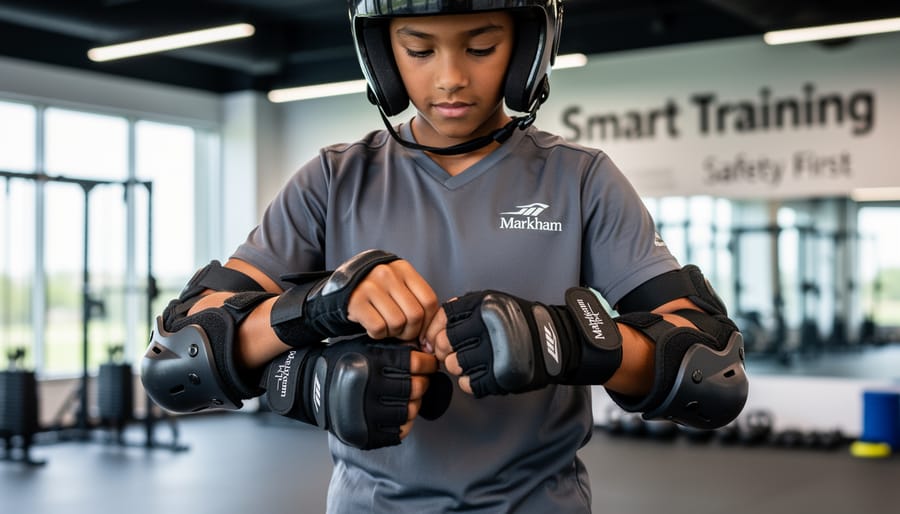
Quality Markham youth hockey programs treat injury prevention as a foundational skill, not an afterthought. Coaches in these programs dedicate practice time to teaching proper skating mechanics, stopping techniques, and body positioning that protect joints and reduce collision impact. Young players learn to absorb checks correctly, maintain balance through transitions, and recognize dangerous positions before injuries occur. This body awareness training transforms how athletes move on ice, they develop an intuitive sense of spatial positioning and physical limits that serves them throughout their hockey careers.
Protective equipment education goes beyond simply wearing gear. The best programs teach young athletes why each piece matters, how to inspect equipment for wear, and when sizing needs adjustment as bodies grow. Helmets receive particular attention, with coaches ensuring proper fit and explaining how mouthguards lower concussion rates when worn consistently. Players who understand their equipment’s protective function take ownership of their safety rather than viewing gear checks as a chore.
Progressive skill development minimizes injury risk by matching physical demands to developmental readiness. Markham’s structured programs avoid pushing young bodies into advanced techniques before they’ve mastered foundational movements. Coaches recognize that a 10-year-old’s growth plates, coordination, and muscle strength differ vastly from a teenager’s, adjusting training intensity accordingly. This patience pays dividends: athletes build robust movement patterns that prevent compensation injuries and support long-term athletic development without the setbacks that derail poorly-trained players.
Nutrition and Fueling Young Athletes
Young hockey players in Markham need consistent fuel to power practices, games, and growth. Quality carbohydrates, whole grains, fruits, and vegetables, should form the foundation of pre-game meals, eaten two to three hours before ice time to maximize energy availability. Protein intake matters for muscle repair and development, but timing trumps excess: spreading lean proteins across meals and including them in post-game recovery snacks supports adaptation better than massive portions at dinner. Hydration starts before players feel thirsty; water bottles should be standard equipment both on and off the ice, with electrolyte drinks reserved for extended tournaments or hot conditions. The best approach involves nutrition support guided by development stages rather than mimicking adult athlete protocols, young players need adequate calories and nutrients to support both athletic performance and normal growth, not restriction or specialized supplements.
Mental Health and Emotional Resilience on the Ice
Confidence Building Through Skill Mastery
Confidence in young hockey players doesn’t emerge from participation trophies or constant praise, it develops through genuine skill mastery and the tangible proof that effort produces results. Markham’s most effective youth hockey programs structure training around progressive skill milestones that allow players to experience regular, measurable improvement. When a seven-year-old finally executes a proper crossover turn after weeks of practice, or when a twelve-year-old lands their first clean wrist shot, these moments create authentic confidence rooted in competence.
Quality coaching makes the difference between hollow encouragement and meaningful growth. Coaches who break complex techniques into achievable steps help players experience small victories that compound into larger capabilities. A supportive environment means celebrating effort and improvement rather than just outcomes, teaching young athletes that mistakes are data points, not failures. This approach cultivates what psychologists call a growth mindset, the belief that abilities develop through dedication rather than being fixed traits.
The ripple effects extend far beyond the rink. Players who internalize this mindset apply it to schoolwork, friendships, and new challenges. They learn to view setbacks as temporary obstacles requiring different strategies, not permanent statements about their worth. This resilience, forged through countless practice repetitions and coach feedback sessions, becomes a foundational life skill that shapes how they approach difficulty in every context.
Managing Pressure and Performance Anxiety
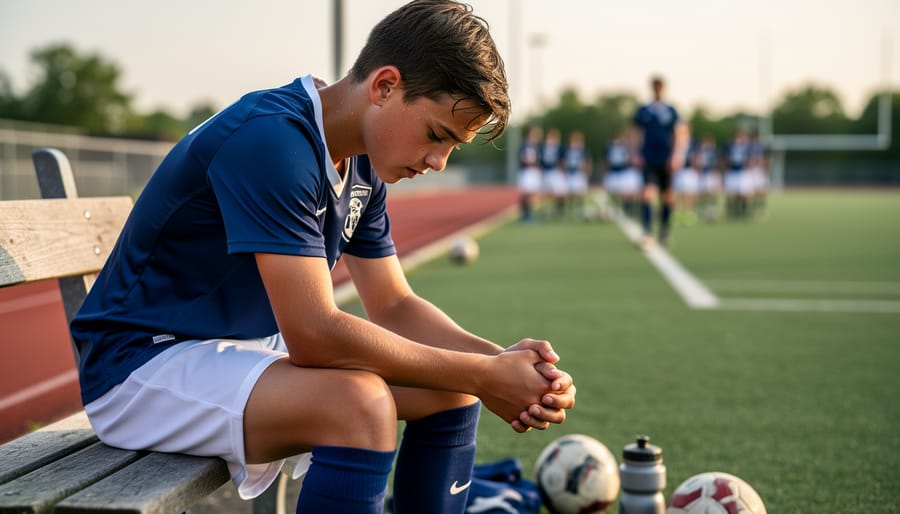
Quality Markham youth hockey programs recognize that performance anxiety is a normal part of athletic development, not a weakness to eliminate, but a response to learn to manage. Coaches trained in sports psychology principles teach young players practical techniques like controlled breathing before face-offs and positive self-talk during challenging game moments. These skills translate directly to test anxiety and other high-pressure situations outside the rink.
Progressive programs introduce competitive pressure gradually rather than throwing young athletes into high-stakes tournaments unprepared. A house league player might first experience intensity through skill challenges with teammates before advancing to more competitive divisions. Coaches reframe setbacks as learning opportunities, asking “What did you discover about your game today?” rather than focusing solely on wins and losses.
The most effective approach combines preparation with perspective. Players who train consistently and understand game strategies feel more equipped to handle pressure. Simultaneously, coaches help youth maintain realistic expectations about their developmental stage, comparing performance to personal growth rather than unrealistic professional standards or events like the Dale Jr Championships. Regular check-ins about stress levels and emotional well-being ensure that competitive hockey remains a positive force in young athletes’ lives, building resilience they’ll carry into adulthood.
Social Connection and Belonging
Playing hockey in a Markham youth program creates natural opportunities for lasting friendships built on shared challenges and victories. When young athletes work together toward common goals, whether that’s executing a power play or supporting a struggling teammate, they develop genuine connections that extend beyond practice hours. These relationships provide crucial emotional support during adolescence, a time when peer acceptance significantly influences self-worth and mental well-being.
Team environments teach players they aren’t alone in their struggles. A missed shot or tough loss becomes easier to process when teammates offer encouragement rather than criticism. This sense of belonging acts as a protective factor against anxiety and depression, giving young athletes a stable social network where they feel valued for who they are, not just their performance statistics.
Balancing Hockey with Academic Success

Many parents worry that intensive hockey involvement might compromise their child’s education. However, Markham’s quality youth sports programs recognize that athletic and academic success aren’t competing priorities, they’re complementary. The time management skills, discipline, and mental focus young athletes develop on the ice directly support their classroom performance when programs are structured thoughtfully.
The most effective Markham hockey programs embed academic accountability into their culture. Coaches regularly check report cards, celebrate educational achievements alongside athletic milestones, and maintain open communication with parents about balancing commitments. This integrated approach teaches young players that excellence in one area doesn’t excuse mediocrity in another. Research consistently shows that student-athletes who participate in structured sports programs maintain comparable or higher GPAs than their non-athletic peers, largely because the demands of dual commitments force them to develop superior organizational skills early.
Time management becomes a practical, lived skill rather than an abstract concept. Young hockey players learn to complete homework during travel to tournaments, study between games, and plan assignments around practice schedules. These aren’t just survival tactics, they’re foundational executive function skills that will serve them throughout their education and careers, whether they eventually reach a junior hockey stage or pursue entirely different paths.
- Establish a consistent weekly routine that blocks specific homework hours separate from hockey commitments, creating predictable study time regardless of practice schedules.
- Use a shared family calendar or planning app where games, practices, and major school assignments are visible to everyone, teaching proactive planning rather than reactive crisis management.
- Build in buffer time before major academic deadlines, completing projects and studying for tests ahead of schedule to accommodate unexpected hockey demands.
- Communicate openly with teachers about athletic commitments, requesting extensions when genuinely needed but demonstrating consistent responsibility to maintain credibility.
- Schedule academic check-ins weekly where parents review completed work and upcoming assignments, catching small issues before they become failing grades.
The benefits extend beyond grades. Young athletes develop what psychologists call “cognitive flexibility”, the ability to shift mental gears between different types of challenges. The focus required for a math test strengthens the same neural pathways needed to read defensive formations. The persistence required to master a difficult concept in science class mirrors the determination needed to perfect a skating technique.
Parents should watch for warning signs that balance is slipping: declining grades, incomplete assignments, increased anxiety, or a child who seems perpetually exhausted. Quality programs will partner with families to adjust training loads when academic performance suffers, understanding that protecting long-term development means sometimes scaling back short-term athletic intensity.
Life Skills Development Beyond the Game
Young hockey players in Markham develop far more than skating speed and shooting accuracy, they build life competencies that shape their character and future opportunities long after they hang up their skates.
Discipline emerges naturally from hockey’s demands. Players learn to show up on time for 6 a.m. practices, complete homework before evening games, and maintain their equipment. This reliability becomes habitual. The student who consistently arrives prepared for practice tends to bring that same preparation to job interviews, university deadlines, and professional commitments years later. Unlike discipline imposed externally, this self-regulation grows from within because young athletes see direct connections between their choices and outcomes on the ice.
Goal-setting transforms from abstract concept to lived practice. A ten-year-old working to master backward crossovers learns to break big objectives into manageable steps, track progress, and adjust strategies when initial approaches don’t work. That process, setting specific targets, measuring advancement, celebrating small wins, and persisting through plateaus, applies identically to academic projects, career advancement, and personal growth throughout life.
Teamwork in hockey goes deeper than most youth activities because success genuinely depends on collective effort. A centerman can’t score without wingers creating space. Defensemen need forwards to backcheck. Goalies rely on everyone playing positionally sound hockey. Young players discover their individual brilliance matters less than their contribution to team success, a lesson that proves invaluable in workplace collaboration, community involvement, and family relationships.
Resilience develops through inevitable setbacks. Missing the tournament roster, losing in overtime, or struggling through a scoring slump teaches players to process disappointment constructively. Quality Markham programs help athletes distinguish between temporary failure and permanent defeat, viewing setbacks as feedback rather than identity. The Dale Hunter impact on junior hockey’s competitive structure demonstrates how properly designed progression systems help young players develop mental toughness through appropriate challenges.
Communication skills sharpen constantly. Players learn to give and receive constructive feedback, advocate for themselves respectfully, and resolve conflicts with teammates. They practice reading nonverbal cues, adjusting their message for different audiences, coaches versus peers, and expressing needs clearly under pressure.
These capabilities compound over time. The disciplined goal-setter who communicates well and bounces back from setbacks doesn’t just become a better hockey player. They become a more effective student, employee, leader, and community member, carrying forward advantages that extend far beyond any trophy case.
Choosing the Right Markham Program for Your Young Athlete’s Health
Selecting a youth hockey program in Markham requires looking beyond league standings and championship trophies. The healthiest programs for your child prioritize long-term development over short-term wins, treating young athletes as whole people rather than just players.
Start by observing a practice session before enrolling. Quality programs dedicate time to proper warm-ups, cool-downs, and skill fundamentals rather than rushing into drills. Coaches should actively teach body mechanics and skating technique, not just run players through repetitive exercises. Notice whether coaches address individual players by name, provide constructive feedback, and create an environment where mistakes are learning opportunities.
Ask direct questions about the program’s philosophy. How do they balance winning with player development? What’s their approach to ice time distribution? Programs committed to health give all players meaningful participation, not just the top performers. They should articulate clear values around sportsmanship, effort, and improvement that extend beyond game outcomes.
Red flags include coaches who yell excessively, programs that encourage playing through pain, or organizations that pressure families to commit to year-round hockey at young ages. Be wary of programs that treat 8-year-olds like professional athletes or suggest your child needs private lessons to keep up with teammates. Excessive focus on elite pathways before adolescence often leads to burnout and injury.
Green flags signal a healthy hockey development pathway: coaches hold recognized certifications in both hockey instruction and child development; the program has transparent concussion protocols and enforces them consistently; there’s a stated commitment to mental health awareness; and families report positive experiences with communication and flexibility around school commitments.
Check whether the program connects with educational institutions or has partnerships that support academic-athletic balance. Programs that acknowledge the importance of homework, family time, and other interests demonstrate they value your child’s complete well-being.
Trust your instincts. If a program makes you uncomfortable or your child consistently dreads attendance, those feelings matter more than any trophy case. The right Markham youth hockey program should energize your young athlete, build their confidence, and leave them excited to return, not just to the rink, but to all aspects of their life.
The evidence is clear: youth hockey programs in Markham offer far more than athletic training. They provide structured environments where young people develop physical strength, mental resilience, and social connections that shape their entire approach to health and well-being. When parents choose programs that prioritize holistic development over trophy collection, they invest in their child’s foundation for a balanced, healthy life that extends decades beyond their playing years.
Quality matters profoundly. Programs that emphasize proper technique, age-appropriate conditioning, emotional support, and academic integration create athletes who understand their bodies, manage stress effectively, and apply discipline across all areas of life. These young players learn that success isn’t measured solely by wins and losses, but by personal growth, teamwork, and the habits they build.
For parents, coaches, and educators, the opportunity is significant. By supporting youth hockey as a vehicle for comprehensive development rather than singular athletic achievement, you help shape young people who carry confidence, resilience, and health-conscious practices into adulthood. The rink becomes a classroom for life skills, and every practice session reinforces habits that protect physical and mental health.
Markham’s youth hockey landscape offers exceptional resources. Choose programs wisely, advocate for balanced approaches, and celebrate the broader benefits your young athletes gain. Their time on the ice is building more than hockey skills. It’s building healthier, more capable human beings.