
Canada’s national junior hockey program continues to serve as one of the world’s premier examples of how elite competition can coexist with comprehensive athlete development. Canada’s national team selection process, roster decisions, and performance at international tournaments offer coaches, parents, and educators a window into best practices that transcend the ice. Rather than focusing solely on wins and losses, the program’s structure reveals critical lessons about balancing academic commitments with athletic excellence, supporting young athletes through high-pressure environments, and building character alongside skill.
Understanding how Hockey Canada identifies, develops, and supports its junior players provides practical insights for anyone working with young athletes. The selection camps, training protocols, and player support systems employed at the national level aren’t reserved for elite prospects alone. Many of these evidence-based approaches can be adapted to community programs, school teams, and local leagues.
Recent developments in roster composition, coaching philosophy, and player welfare initiatives demonstrate an evolving understanding of what truly prepares young athletes for long-term success, both in hockey and beyond. For educators and coaches seeking to create environments where young players thrive as complete individuals, the national program’s approach offers a valuable case study in doing elite sport the right way.
What Changed: Recent Developments in Canada’s Junior Hockey Program
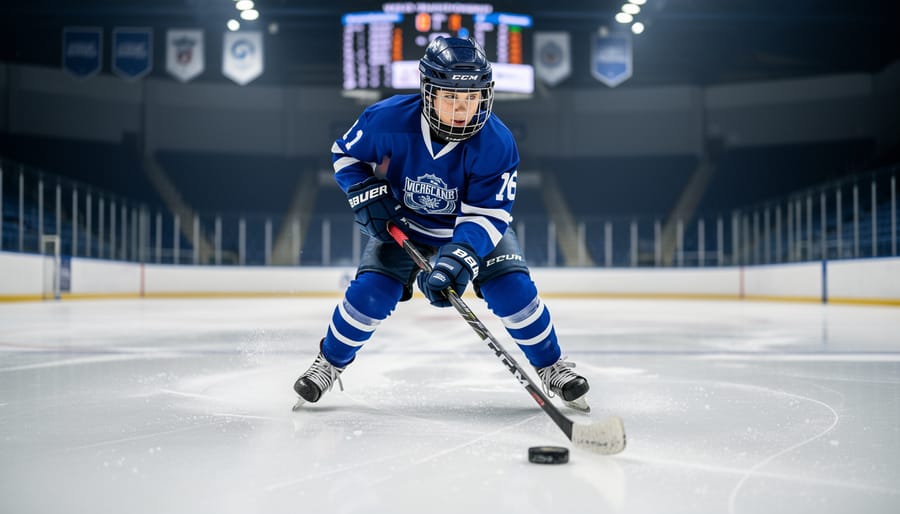
Canada’s junior hockey program has undergone substantial transformation in 2026, moving away from a narrow focus on on-ice performance toward a comprehensive framework that values education, mental wellness, and long-term athlete development. Hockey Canada introduced revised selection criteria that now explicitly consider academic standing, mental performance indicators, and character assessments alongside traditional skill metrics. This shift reflects growing evidence that sustainable hockey excellence requires supporting the whole person, not just the player.
The training philosophy has evolved to incorporate periodization models backed by current sports science research, with mandatory rest periods and workload monitoring built into preparation cycles. Coaches now receive professional development emphasizing concussion awareness, youth development stages, and communication skills that extend beyond technical instruction. These changes acknowledge that junior-age athletes require different approaches than professional players, with developmental appropriateness taking priority over mimicking senior-level intensity.
Policy adjustments have also established clearer pathways connecting junior team participation with educational institutions, including academic support systems and partnerships with universities that recognize the value of balanced student-athlete experiences. These modifications signal a fundamental rethinking of what constitutes effective talent development, moving from a win-now mentality to sustainable preparation that serves athletes beyond their playing years. The World Championship preparation now functions as part of a broader educational journey rather than an isolated performance event.
Key Developments Shaping Canada’s Junior Team in 2026
1. Evolution in Player Selection and Development Criteria
Hockey Canada has fundamentally revised how it identifies and develops players for its junior program, moving beyond traditional performance metrics to embrace a more comprehensive evaluation framework. Where selection once prioritized on-ice statistics and physical attributes above all else, the 2026 approach integrates academic achievement, mental resilience, leadership qualities, and long-term development potential into its core assessment criteria. This shift acknowledges that elite hockey performance emerges from well-rounded individuals who excel both on the ice and in life.
The revised selection framework now evaluates prospects across multiple dimensions:
- Academic performance and engagement in educational pursuits as indicators of discipline and work ethic
- Emotional intelligence and ability to handle adversity, measured through structured interviews and coach feedback
- Leadership capacity and positive influence on team culture rather than individual statistics alone
- Commitment to evidence-based training protocols and injury prevention practices
- Demonstrated balance between hockey excellence and personal development outside the sport
This holistic approach reflects growing recognition that sustainable excellence requires developing player character alongside physical skills. Hockey Canada’s talent evaluators now spend significant time reviewing academic transcripts, speaking with teachers and mentors, and assessing how prospects manage the demands of school, training, and personal responsibilities. The organization has also introduced formal assessment tools measuring mental performance indicators like stress management, goal-setting capabilities, and growth mindset orientation.
For coaches and educators, this evolution validates what many have advocated: that developing complete human beings creates better athletes. The emphasis on academic balance sends a clear message that hockey and education aren’t competing priorities but complementary paths to excellence.
2. Enhanced Focus on Education and Life Skills Integration
Canada’s junior hockey program has increasingly recognized that developing elite athletes means developing complete individuals. In 2026, Hockey Canada has expanded partnerships with post-secondary institutions to create structured academic pathways for junior team participants, ensuring that pursuing World Championship aspirations doesn’t mean sacrificing educational opportunities.
These initiatives include flexible scheduling arrangements that allow players to maintain course loads during training camps and tournaments, online learning support coordinated with universities and colleges, and dedicated academic advisors who travel with teams during major competitions. Several programs now offer credit recognition for sports science coursework completed through hockey development programs, bridging the gap between athletic and academic achievement.
Beyond traditional academics, Hockey Canada has introduced mandatory life skills workshops covering financial literacy, media training, career planning, and mental health awareness. These sessions acknowledge that most junior players won’t pursue professional hockey careers, yet all will need skills to navigate adult responsibilities. The program treats these workshops not as optional add-ons but as core components of athlete development, scheduled with the same priority as on-ice training.
For coaches and educators working with young hockey players, this shift provides a valuable framework. Integrating academic support and life skills development into your local programs reinforces that hockey participation should enhance, not hinder, overall growth. Emphasizing education alongside athletic performance prepares players for success whether they continue in hockey or transition to other pursuits, creating well-rounded individuals equipped for diverse futures.
3. Advances in Training Methodology and Sports Science
Hockey Canada’s 2026 training methodology represents a fundamental shift toward evidence-based protocols that prioritize athlete longevity over short-term performance gains. Recent updates to the junior team preparation framework incorporate periodization models backed by sports science research, moving away from the traditional high-volume, year-round intensity that often led to burnout and overuse injuries. Training camps now feature structured recovery periods, load monitoring through wearable technology, and individualized programming that accounts for biological age rather than chronological age alone.
Injury prevention has become a cornerstone of the new approach. The program now mandates pre-season movement screening to identify biomechanical vulnerabilities, implements Nordic hamstring protocols proven to reduce lower-body injuries, and includes dedicated mobility work addressing the repetitive patterns inherent in hockey skating. Concussion management protocols have been strengthened with baseline cognitive testing and graduated return-to-play frameworks that remove subjective judgment from critical health decisions.
Mental performance support represents perhaps the most significant addition to Canada’s junior program. Players now have access to sport psychologists who address performance anxiety, goal-setting, and resilience-building through proven cognitive-behavioural techniques. Mindfulness training and visualization exercises have been integrated into regular practice schedules, normalizing mental skills work as essential rather than remedial. This holistic framework acknowledges that elite performance emerges from the intersection of physical preparation, mental readiness, and overall well-being, a lesson applicable to hockey programs at every level.
Why This Matters: Impact on Young Athletes, Coaches, and Hockey Education
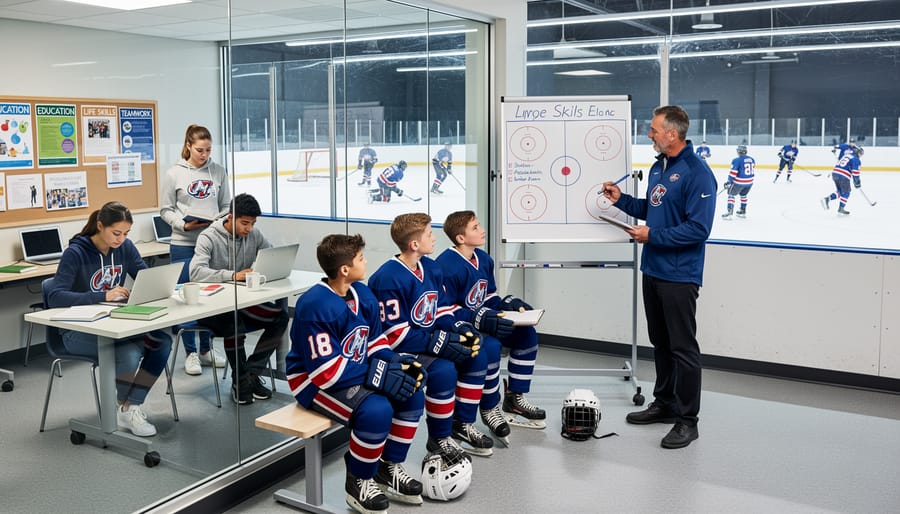
These shifts in Canada’s junior hockey program signal a fundamental change in how we should think about developing young athletes. When Hockey Canada emphasizes education alongside performance and adopts evidence-based training over outdated “grit and grind” philosophies, it validates what educators and progressive coaches have long advocated: hockey excellence and academic success aren’t competing priorities, they’re complementary.
For coaches working in school-based programs or community leagues, this matters immediately. You now have national-level backing for resisting pressure to prioritize ice time over homework, or tournament schedules over exam preparation. The message from the top is clear: programs that help players balance practice school, and recovery produce better athletes and more well-rounded individuals. This isn’t soft thinking, it’s strategic development supported by sports science research.
Parents gain a valuable framework for evaluating programs. When a local organization claims it’s preparing players for higher levels, you can now ask specific questions: Does their selection process consider academic performance? Do they integrate mental skills training? Are rest and injury prevention prioritized, or do they still glorify playing through pain? The answers reveal whether a program aligns with current best practices or clings to methods that Hockey Canada itself has moved beyond.
For young athletes, these changes offer permission to invest in their full development. Pursuing strong grades, maintaining friendships outside hockey, and speaking up about mental health concerns aren’t signs of weak commitment, they’re characteristics that elite programs now actively seek. The pathway to excellence has widened, and that benefits players whose talents extend beyond the rink.
The broader implication is philosophical: hockey becomes a vehicle for education rather than education being squeezed around hockey. That shift transforms how we structure seasons, measure success, and define what it means to develop a complete player.
What to Watch: Future Directions and Opportunities
Looking ahead, several developments deserve attention from those shaping hockey education and youth development. The insights emerging from Hockey Canada’s junior program offer valuable lessons for local initiatives, though important questions about implementation and long-term outcomes remain open.
Key areas to monitor in the coming seasons:
- Publication of outcome data tracking academic achievement alongside athletic performance for junior team participants
- Expansion of mental performance support programs and their integration into regional development models
- Policy updates regarding practice-to-rest ratios and injury prevention protocols based on ongoing research
- Changes in how talent identification balances current skill level with growth potential and character development
- Release of best-practice frameworks from Hockey Canada that local programs can adapt to their contexts
For educators and coaches working at the community level, these national-level shifts create opportunities to advocate for similar approaches in local youth sports programs. The evidence-based training methodologies and dual-pathway philosophy adopted at elite levels can inform how you structure practice schedules, communicate with parents about development timelines, and integrate academic support into team culture.
The unresolved questions are equally instructive. How effectively will these holistic development principles translate when competitive pressures intensify? What support structures prove most effective in helping young athletes navigate educational and athletic demands? Tracking these developments and sharing findings within coaching networks strengthens the entire hockey education ecosystem, ensuring that lessons learned at the national level benefit athletes at every stage of their journey.
Frequently Asked Questions
The complexities of Canada’s junior hockey system and its World Championship pathway often raise practical questions for those working directly with young athletes. Understanding these fundamentals helps coaches and parents make informed decisions that align with both competitive aspirations and educational priorities.
What age groups are eligible for Canada’s World Junior Championship team?
Players must be under 20 years of age as of December 31 in the year of the tournament. This typically includes athletes born in the year the tournament takes place and the four preceding years, creating a competitive environment where 16-to-19-year-olds vie for roster spots.
How does Hockey Canada balance education with elite development?
Current programs increasingly emphasize academic progress alongside athletic achievement, with selection criteria now considering commitment to schooling and partnerships with educational institutions that provide flexible scheduling and support systems. This reflects a broader shift toward recognizing that education strengthens rather than hinders athletic development.
Can lessons from the national junior program apply to local youth hockey?
Absolutely. The evidence-based training methods, injury prevention protocols, and holistic development philosophy championed at the national level can be scaled and adapted to grassroots programs, helping local coaches create environments that prioritize long-term athlete health and skill acquisition over immediate results.
What pathways lead to junior national team consideration?
Athletes typically progress through provincial programs, major junior leagues like the Canadian Hockey League, or other high-performance environments that emphasize both skill development and character building. Consistent performance, coachability, and demonstrated commitment to personal growth across multiple seasons are essential factors in the selection process.
These questions reflect the practical realities facing coaches and parents who want to support young athletes without sacrificing educational foundations. The national program’s evolution toward more balanced, research-informed approaches validates what many educators have long advocated: excellence in hockey and excellence in education reinforce each other rather than compete for limited time and energy.
For local programs, the key takeaway is that you don’t need elite facilities or professional staff to adopt these principles. Focus on creating structures that value academic achievement, prioritize proper rest and recovery, and measure success through skill development and personal growth rather than win-loss records alone. The best junior programs in Canada now recognize that the most complete athletes are those who can think critically, manage their time effectively, and maintain perspective beyond the rink.
The evolution of Canada’s junior hockey program in 2026 demonstrates that excellence and education aren’t opposing forces, they’re complementary pathways to sustainable athletic success. As coaches and educators, staying informed about these national-level developments equips you with evidence-based strategies that prioritize long-term athlete wellbeing alongside competitive achievement.
These changes validate what research has consistently shown: young athletes thrive when we balance skill development with academic support, when we value mental health as much as physical conditioning, and when we measure success beyond medals and championships. The most impactful programs recognize that today’s junior players are tomorrow’s well-rounded adults, whether they continue in professional hockey or pursue other paths.
By adopting these principles in your own programs, you’re not just developing better hockey players, you’re shaping resilient, educated, and balanced young people prepared for whatever challenges lie ahead.