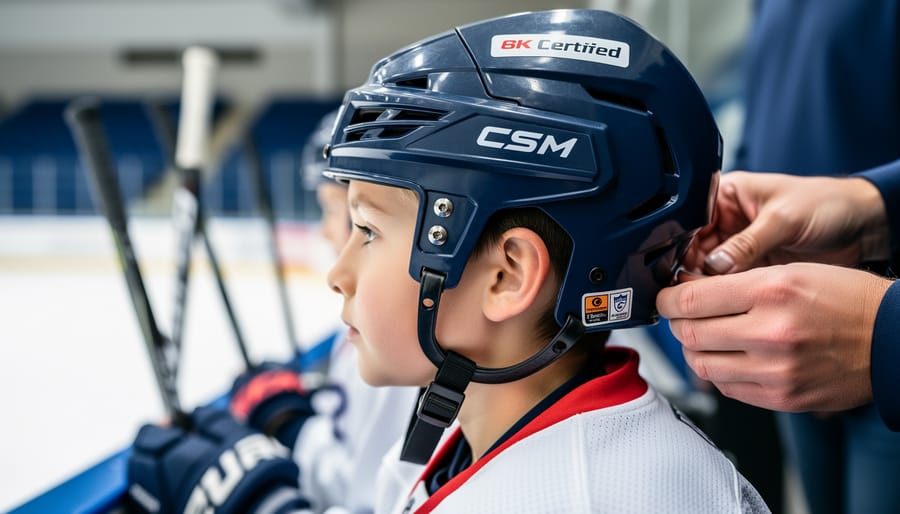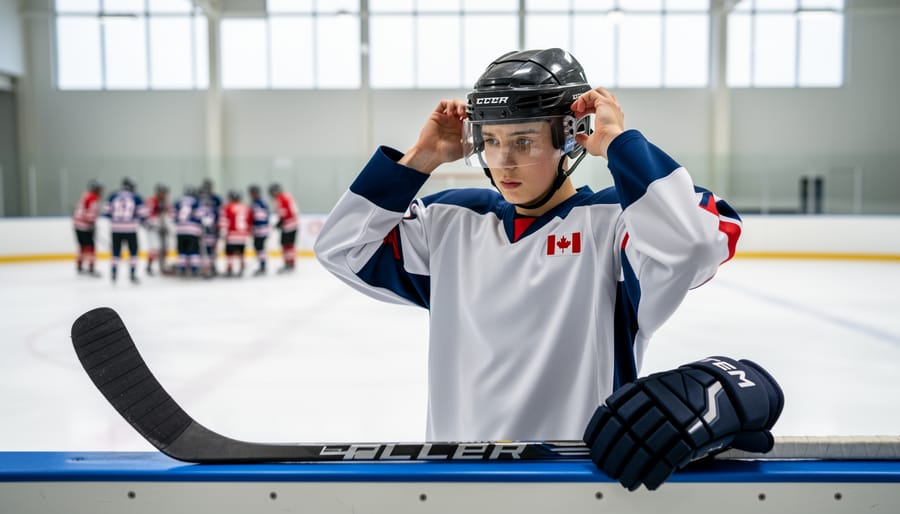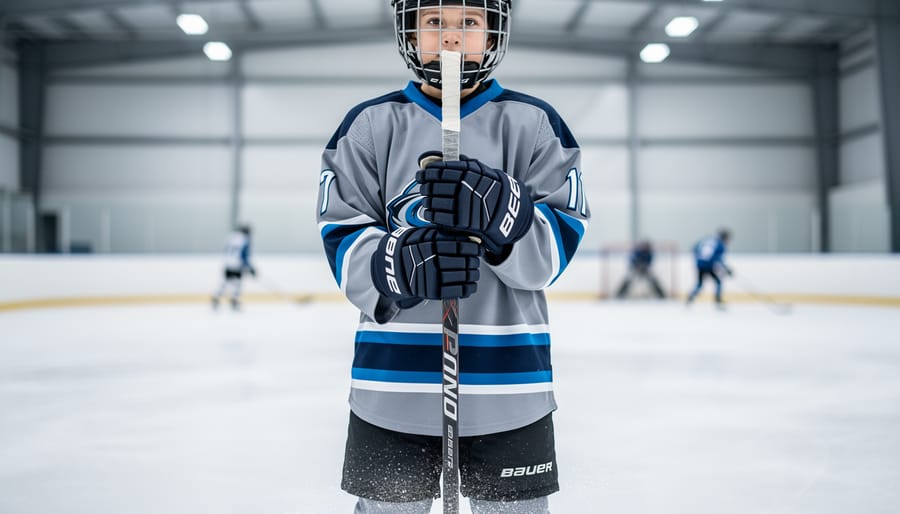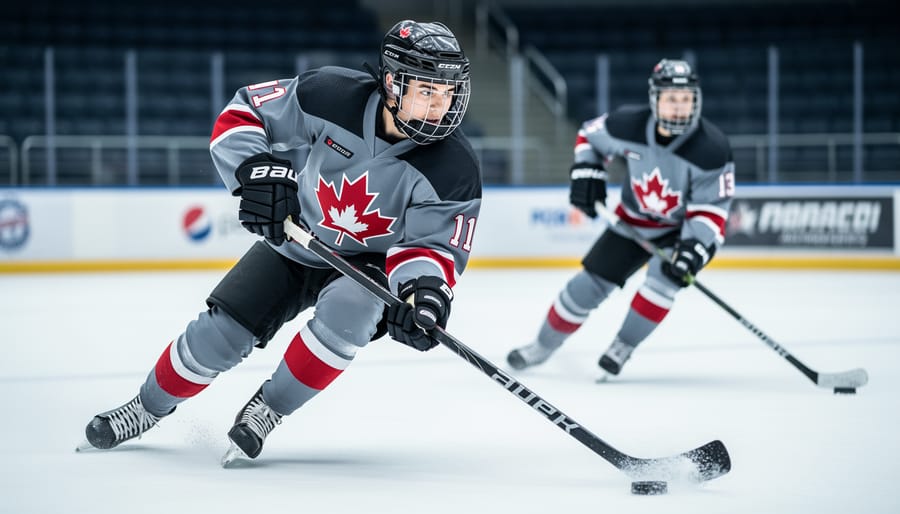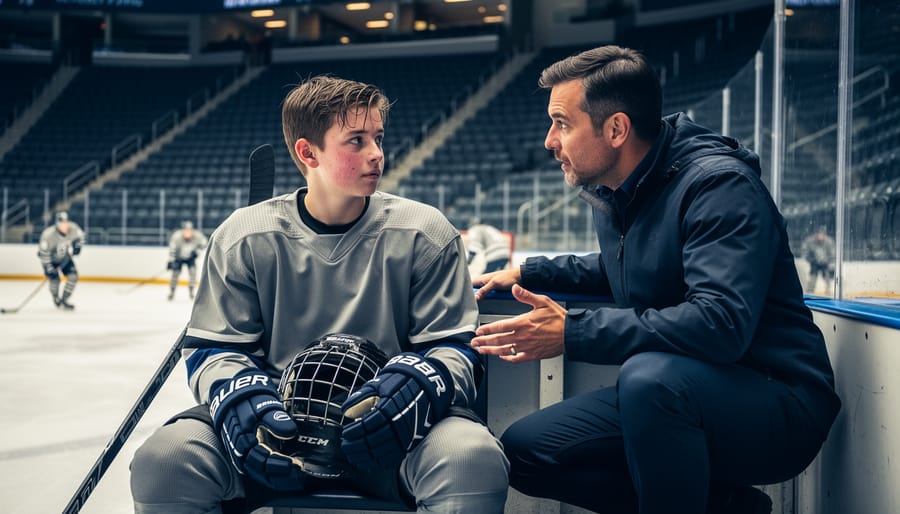
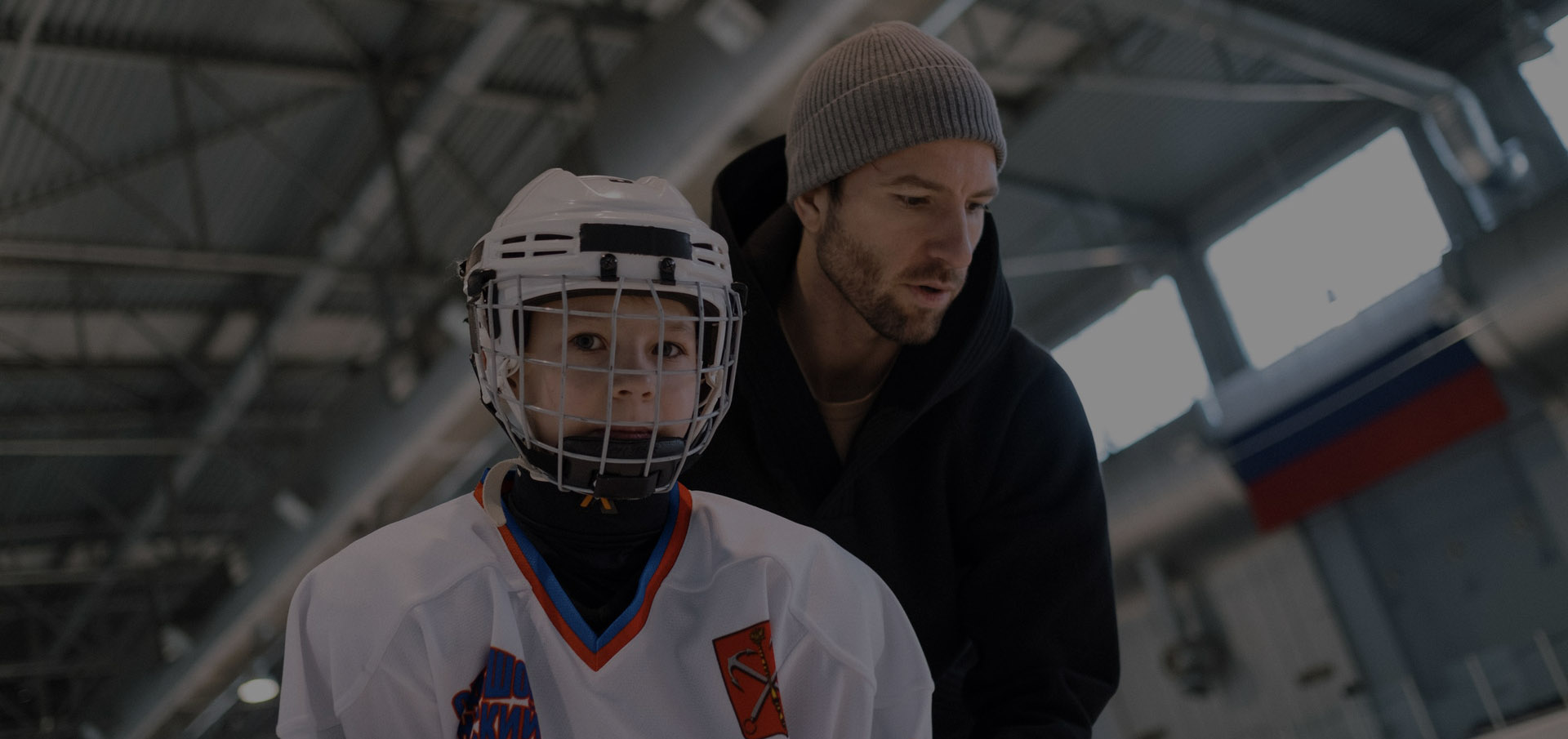
Canada’s national junior hockey program continues to serve as one of the world’s premier examples of how elite competition can coexist with comprehensive athlete development. Canada’s national team selection process, roster decisions, and performance at international tournaments offer coaches, parents, and educators a window into best practices that transcend the ice. Rather than focusing solely on wins and losses, the program’s structure reveals…

Choosing the right ice hockey stick for a young player comes down to three critical factors: correct sizing (stick height should reach between the player’s chin and nose while standing in skates), appropriate flex rating (typically half the child’s body weight in pounds), and matching stick construction to their skill level and position. Getting these fundamentals right transforms a beginner’s frustration into confidence on the ice, while getting them wrong can hinder development, cause injury, or simply drain your budget through frequent replacements.
Key Takeaway: The ideal…

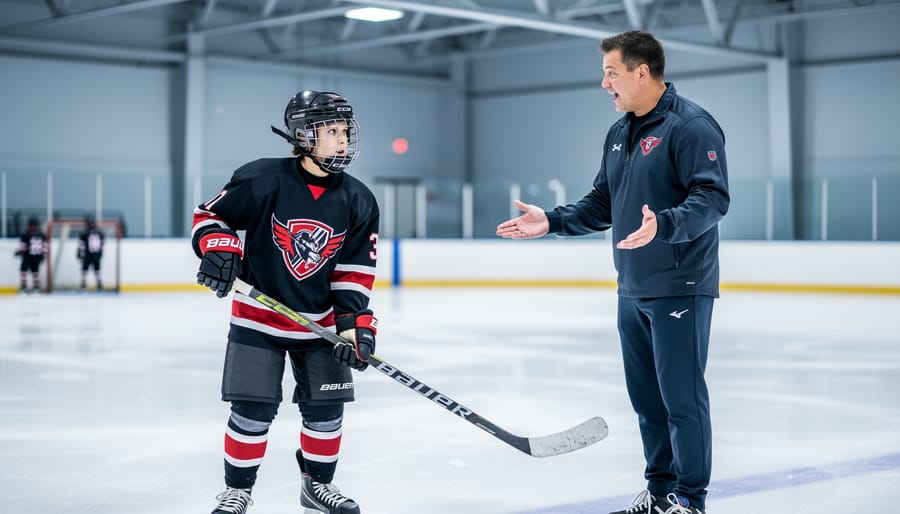
Sports psychology certification equips hockey coaches with structured, evidence-based training to support the mental performance and emotional well-being of young athletes. For educators and coaches working in youth hockey programs in 2026, the most recognized credential is the Certified Mental Performance Consultant (CMPC) designation, offered through the Association for Applied Sport Psychology (AASP) and the Canadian Sport Psychology Association (CSPA-ACPS). This certification requires completing…

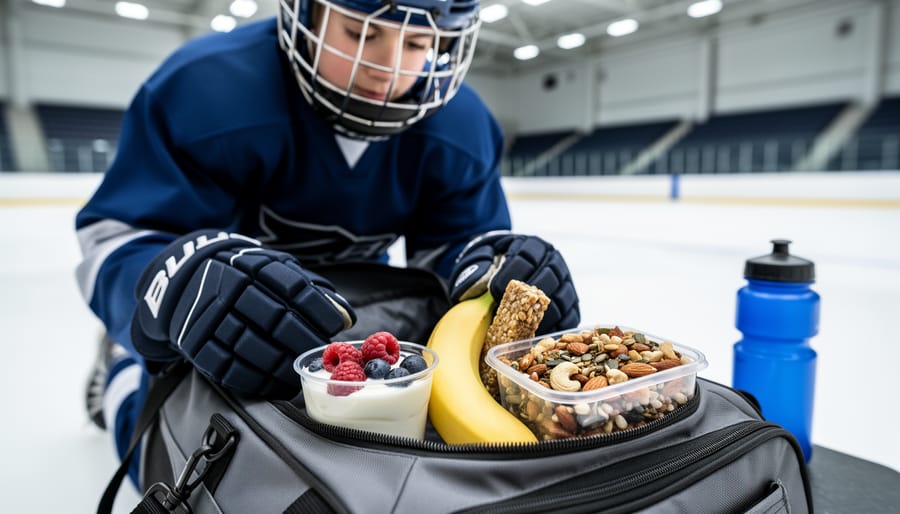
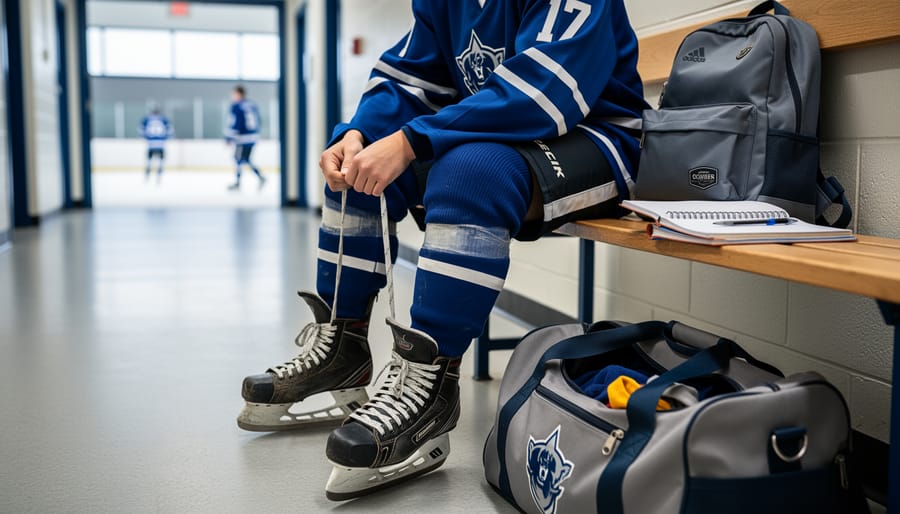
Hockey life means learning to thrive across three interconnected arenas: the rink, the classroom, and home. For junior hockey players and their families, success isn’t measured solely by goals scored or games won, but by the ability to integrate intense practice schedules, academic responsibilities, and meaningful family connections into a sustainable rhythm that supports long-term development.
The reality is demanding. As hockey life shifts gears each season, young athletes face a unique challenge that extends…

Junior championship hockey represents the highest level of competitive play for athletes aged 16 to 20, serving as the critical bridge between minor hockey and professional or collegiate careers. In Canada, this system has produced generations of world-class talent through a development model that balances elite competition with educational opportunities and personal growth. When young players earn selection to represent their country at events like the World Junior Championship or compete in prestigious tournaments such as the…

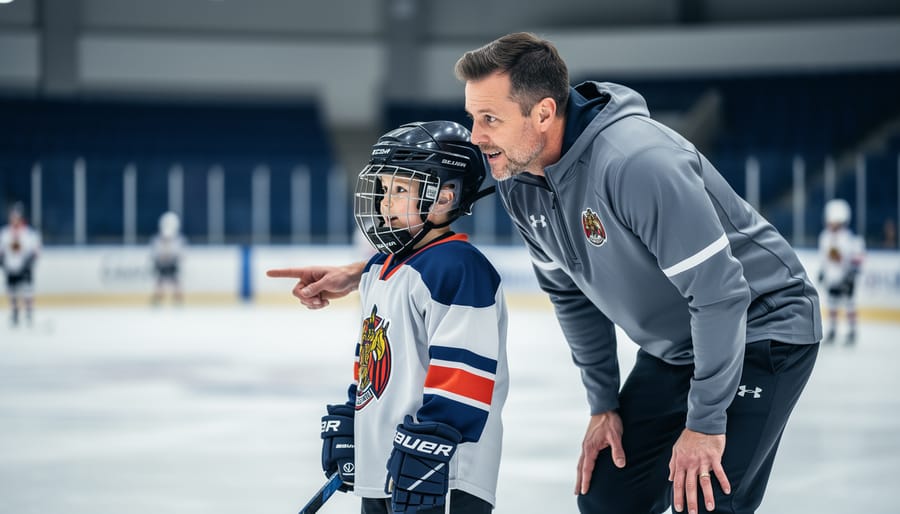
Youth sports programs in Markham, Ontario offer young hockey players a comprehensive pathway to physical fitness, mental resilience, and character development through structured league play, skill-building sessions, and community-focused coaching. Parents and coaches searching for the right program will find options ranging from recreational house leagues to competitive rep teams, each designed to meet athletes where they are while fostering growth beyond the rink.
The real value of these programs lies in their dual impact. Young athletes gain measurable physical benefits including improved cardiovascular health, coordination, and…

Dale Earnhardt Jr. never won a NASCAR Cup Series championship, yet his legacy transcends titles. For coaches, educators, and parents guiding young athletes, this reality offers a profound lesson: championship success isn’t always measured by trophies alone.
When we examine Dale Jr.’s career through the lens of youth development, we discover a masterclass in resilience, personal growth, and authentic leadership that matters far more than any single victory. His 26 Cup Series wins and two Xfinity Series championships demonstrate excellence, but…

The junior hockey pyramid stands as one of sport’s most competitive structures, yet its true measure of success extends far beyond wins and championship banners. Every year, thousands of young players climb through levels ranging from house league foundations to elite tier programs, but fewer than one percent will reach professional hockey. This stark reality demands a fundamental shift in how coaches, parents, and educators approach the journey.
Understanding this pyramid structure reveals both opportunity and challenge. At its base, recreational programs welcome all participants, building fundamental skills and passion for…