
Sports psychology certification equips hockey coaches with structured, evidence-based training to support the mental performance and emotional well-being of young athletes. For educators and coaches working in youth hockey programs in 2026, the most recognized credential is the Certified Mental Performance Consultant (CMPC) designation, offered through the Association for Applied Sport Psychology (AASP) and the Canadian Sport Psychology Association (CSPA-ACPS). This certification requires completing specific educational coursework, supervised practical experience, passing a rigorous exam, and committing to ongoing professional development. The CMPC program is nationally accredited by the National Commission for Certifying Agencies (NCCA), ensuring that certified professionals meet consistent standards of competence and ethical practice.
Why does this matter for those of us working in hockey education? Because the mental side of the game often determines which young players persist through setbacks and which ones lose their love for the sport. A coach trained in sports psychology can recognize when a talented player’s struggles stem from anxiety rather than skill deficits, or when a team’s performance issues reflect poor communication patterns rather than conditioning problems. These insights transform coaching from simply teaching systems and drills to nurturing complete athletes who can handle pressure, recover from losses, and maintain perspective.
The rise of mental performance certification reflects a broader shift in how we approach youth development in hockey. Parents and program directors increasingly understand that technical skill alone won’t prepare young athletes for the demands of competitive play or the life lessons sport can teach. Coaches who integrate mental skills training into their practice plans help players develop confidence, focus, emotional regulation, and the ability to learn from failure. These capabilities matter just as much at tryouts as they do in the classroom and beyond the rink.
Why Hockey Coaches and Educators Are Pursuing Sports Psychology Certification
Youth hockey coaches today face challenges that extend far beyond teaching skating technique and offensive systems. A 15-year-old defenseman who dominates at the bantam level suddenly struggles when he moves up to midget AAA, not because his skills disappeared but because the mental demands overwhelmed him. A talented forward gets limited ice time one game and carries that frustration into the next three practices, affecting her entire line’s performance. These scenarios aren’t outliers, they’re the daily reality of coaching young athletes in competitive hockey environments.
This is why hockey coaches and educators are increasingly pursuing sports psychology certification. The credential provides evidence-based frameworks for addressing the mental and emotional dimensions of youth development that traditional coaching education often overlooks. When coaches understand how to build genuine resilience rather than just demanding toughness, how to develop authentic leadership rather than simply naming captains, and how to support player character through adversity rather than punishing mistakes, they create environments where young athletes can thrive both on and off the ice.
Consider the specific situations where mental performance training directly impacts youth hockey development:
- Helping a team process and learn from a devastating playoff loss without losing motivation for next season
- Supporting players who receive limited ice time to stay engaged and develop a growth mindset
- Preparing athletes for the mental adjustment required when transitioning from house league to travel hockey or from competitive to elite levels
- Teaching young players to build effective pre-game routines that manage anxiety and optimize focus
- Developing captains and alternate captains to lead through example and support teammates rather than just wearing a letter
Certification equips coaches with structured approaches to these challenges rooted in research rather than guesswork. It aligns perfectly with rejecting win-at-all-costs culture because mental performance work focuses on process goals, personal growth, and long-term athlete development, not just weekend tournament results. A certified coach understands that a player struggling with balancing school demands and travel hockey commitments needs goal-setting strategies and time management skills, not just a lecture about commitment.
Crucially, certification also teaches coaches to recognize their boundaries. A player dealing with severe performance anxiety, family trauma, or clinical depression needs support beyond mental performance coaching. Certified training emphasizes when to support a young athlete directly and when to refer them to licensed mental health professionals, a distinction that protects both players and coaches while ensuring young athletes receive appropriate care for their specific needs.
Understanding Sports Psychology Certification Pathways
The CMPC Credential and Its Relevance to Hockey Coaching
The CMPC represents the gold standard for hockey coaches who want to bring evidence-based mental performance work into their programs without crossing into clinical psychology. Both the Association for Applied Sport Psychology and the Canadian Sport Psychology Association certify CMPCs through a 2021 agreement that established shared standards across North America, and the credential carries NCCA accreditation, the same independent body that validates certifications in nursing and athletic training. For youth hockey coaches working in educational settings, this accreditation matters because it signals to parents, athletic directors, and school administrators that your mental performance training rests on verified competence rather than weekend workshop credentials.
What makes the CMPC particularly relevant to hockey coaching is its focus on performance enhancement rather than therapy. According to the AASP certification scope the designation does not make you a sport psychologist, that title requires licensure governed by state or provincial boards, but it does prepare you to teach the mental skills your players need most: maintaining composure after a bad shift, setting effective practice goals, communicating under pressure, and building confidence through developmental stages. The CSPA, ACPS certification information outlines requirements that combine formal education, supervised work experience, exam success, ethical commitment, and ongoing professional development.
For hockey coaches building holistic development programs, the CMPC provides structured methodology to integrate mental training into practice plans and player meetings. You’ll learn when your expertise applies and, crucially, when a young athlete needs referral to a licensed psychologist, a boundary that protects both players and your program’s credibility.
Graduate Certificates and Degree Programs
Graduate certificates in sports psychology typically require 12 to 18 credit hours and serve as targeted foundational education for hockey coaches who aren’t ready to commit to a full master’s degree. These programs introduce evidence-based mental performance concepts, goal setting, visualization, self-talk, focus training, that directly apply to helping young hockey players build confidence and handle competitive pressure. For coaches working with youth athletes, certificates provide practical frameworks without the time investment of graduate school, though they alone don’t satisfy CMPC certification requirements.
Master’s degree programs in sport and performance psychology offer the comprehensive educational foundation that CMPC certification demands. These programs combine theoretical coursework with supervised practicum experiences, often including placements in team sports settings where you’ll apply mental skills training with real athletes. For hockey coaches, look for programs that emphasize team dynamics, coach-athlete communication, and developmental psychology, areas that translate directly to locker room leadership and player mentoring.
When evaluating programs, prioritize those that include hands-on application in team environments rather than purely classroom learning. Hockey coaches benefit most from programs where they can practice intervention techniques in settings that mirror their coaching reality: managing pre-game nerves, addressing performance slumps, building team cohesion. These practical experiences become the supervised work component you’ll need when applying for CMPC certification later, making your academic program a strategic first step toward full credentialing as a mental performance consultant who truly understands the youth hockey context.
Types of Sports Psychology Credentials Compared
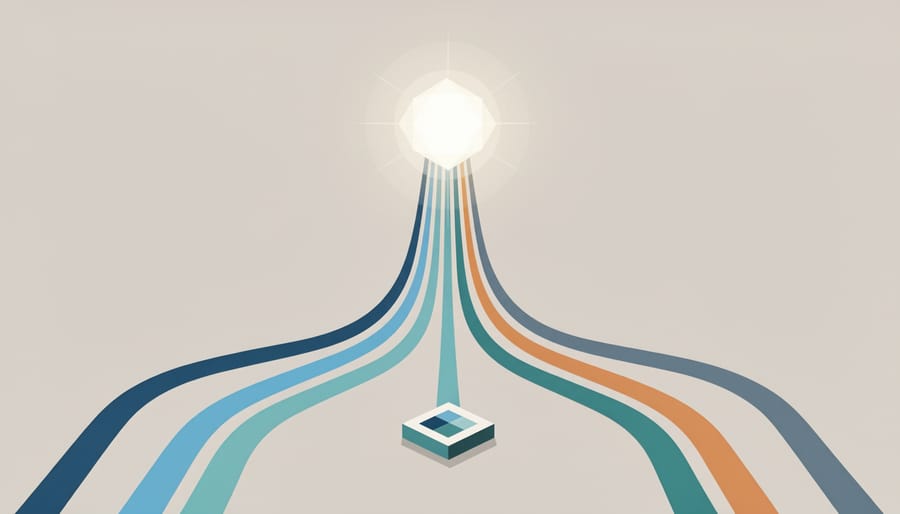
Hockey coaches exploring mental performance training face a growing menu of credentials, each designed for different levels of commitment and application. Understanding these pathways helps you choose the option that matches your role in youth hockey development and the depth of mental skills work you plan to integrate into your coaching practice.
The Certified Mental Performance Consultant (CMPC) represents the gold standard for coaches transitioning into dedicated mental performance roles. Certified by AASP and CSPA-ACPS, and nationally accredited by the NCCA, this credential requires completing specific educational and work requirements, passing a certification exam, and committing to ongoing professional development. Head coaches building comprehensive development programs benefit most from this pathway, as it provides the systematic training needed to design season-long mental skills curricula, lead player development workshops, and educate parents about the psychological demands young athletes face. The CMPC designation doesn’t make you a sport psychologist, those services require clinical licensure determined by individual licensing boards, but it establishes recognized expertise in mental performance consulting that gives credibility when working with athletic directors and school administrators.
Graduate certificates in sports psychology offer a middle ground for coaches who want foundational knowledge without the full commitment of CMPC certification. These programs typically require 12 to 18 credit hours focused on applied mental skills, developmental psychology, and ethics in youth sports contexts. Assistant coaches and skill development specialists find these credentials particularly useful because they provide evidence-based frameworks for the mental aspects of skill acquisition, confidence building during slumps, and pre-game preparation routines. You gain the vocabulary and concepts to spot mental performance challenges in practice without needing to become a full-time mental skills consultant.
Master’s degree programs in sport psychology provide the deepest educational foundation and typically serve as prerequisites for CMPC certification. Program directors and coaches planning to eventually pursue CMPC certification often start here, as these degrees cover both the theoretical underpinnings and practical application of mental performance work. For hockey educators developing organizational mental skills initiatives, this pathway offers the comprehensive background needed to mentor other coaches, design program-wide interventions, and integrate mental training systematically across age groups.
| Credential Type | Best For | Typical Requirements | Time Commitment | Primary Benefit for Youth Hockey |
|---|---|---|---|---|
| CMPC Certification | Head coaches building comprehensive programs | Educational credentials, supervised work experience, certification exam, ethical standards agreement | Varies based on prerequisites | Recognized expertise for systematic mental skills integration |
| Graduate Certificate | Assistant coaches, skill specialists | 12-18 credit hours in applied mental skills | 1-2 years part-time | Foundational knowledge for confidence building and resilience |
| Master’s Degree | Program directors, future CMPC candidates | 30-60 credit hours, research component | 2-3 years | Comprehensive background for program-wide mental skills initiatives |
| Specialized Courses | Coaches exploring mental performance work | Single course completion | Weeks to months | Introduction to ethical practice and core concepts |
Specialized workshops and short courses provide entry points for coaches testing the waters. AASP offers courses like Professional Ethics & Standards in Sport Psychology, which introduces core principles without requiring extensive time away from the rink. These options work well for coaches who want to understand when mental performance support helps versus when a young player needs referral to clinical services. You learn to recognize the boundaries of your role and develop a foundation for more advanced study if you decide mental skills work aligns with your coaching philosophy.
The right pathway depends on where you see mental performance fitting into your coaching practice. Coaches who view mental skills as a core pillar of holistic development, equal to skating technique and tactical knowledge, often pursue CMPC certification. Those who want to enhance their existing coaching with mental performance concepts gravitate toward graduate certificates or specialized courses. Program directors benefit from understanding all pathways so they can support coaches at different stages and make informed decisions when hiring mental performance specialists to work with their organizations.
Key Factors to Consider When Choosing Your Certification Path
Your Current Role and Career Goals in Hockey Development
Your certification path depends on where you see mental performance work fitting into your hockey coaching future. Head coaches building comprehensive youth development programs often pursue CMPC certification after completing foundational graduate education, allowing them to systematically integrate mental skills into practice planning, one-on-one player meetings, and parent education sessions. This depth supports the holistic approach young hockey players need, addressing confidence, resilience, and team dynamics alongside technical skills.
Assistant coaches and skill development specialists might start with graduate certificate programs or targeted courses like AASP’s Professional Ethics & Standards to enhance their daily player interactions without committing to full certification. This knowledge helps you recognize when a struggling young athlete needs mental performance support versus clinical intervention.
Program directors and hockey educators benefit from understanding certification standards even if they won’t pursue credentials themselves. Knowing what CMPC certification requires helps you make informed hiring decisions, develop partnerships with certified mental performance consultants, and build organizational structures that support young athletes’ complete development. You can champion mental performance training within your program while connecting coaches with appropriate professional development resources and establishing referral networks when players need licensed psychological support beyond performance consulting.
Educational and Work Requirements You’ll Need to Meet
Before you pursue CMPC certification as a hockey coach, you need to understand what stands between you and that credential. The pathway requires more than passion for youth development, it demands specific educational foundations and documented experience that may take months or years to fulfill.
The CMPC certification requirements combine five distinct components:
- Educational credentials from an accredited institution, typically a master’s degree in sport psychology, counseling, or a related field with relevant coursework
- Supervised work experience applying mental performance principles, accumulated through direct work with athletes in practice and competition settings
- Successful completion of the CMPC certification exam, which tests both theoretical knowledge and applied competencies
- Formal agreement to uphold professional ethical principles and standards governing mental performance consulting
- Commitment to ongoing professional development through continuing education activities that keep your knowledge current
For hockey coaches already working with youth athletes, the supervised experience component often proves the most accessible. Your daily interactions during practice, player development conversations, and mental preparation work can count toward these hours when documented properly and supervised by an approved mentor. However, if your formal education focused solely on physical education or hockey-specific coaching, you will likely need to complete foundational coursework before applying.
The critical distinction for hockey coaches: CMPC certification does not qualify you to provide psychological services like diagnosing anxiety disorders or treating clinical depression. Those activities require licensure determined by provincial or state boards. When a young player’s struggles extend beyond performance anxiety into mental health territory, your role becomes recognizing the signs and connecting families with licensed professionals. The CMPC credential equips you to support mental performance within your coaching scope, not to replace clinical psychologists.
Start by reviewing the Certification Program Candidate Handbook to assess which requirements you have already met through your coaching career and education, then identify specific gaps to address.
Accreditation and Professional Recognition
When parents entrust their children to your hockey program, they’re looking for more than skating drills, they want assurance that you’re qualified to guide their young athletes’ mental development. NCCA accreditation of the CMPC credential provides that institutional validation. The National Commission for Certifying Agencies sets the gold standard for professional certification programs, and their backing signals to athletic directors and school administrators that your mental performance training meets rigorous, independently verified standards.
This matters especially in youth hockey contexts where you’re working with developing minds. The CMPC certification through AASP (Association for Applied Sport Psychology) and CSPA-ACPS (Canadian Sport Psychology Association) represents peer-reviewed competency in applied mental skills work, not just someone who took a weekend workshop. When you explain to parents at a development meeting that you hold an NCCA-accredited certification from the same bodies that train university sport psychology consultants, you’re demonstrating professional accountability.
For hockey program directors building credibility with school boards or community organizations, hiring coaches with AASP or CSPA-ACPS certification shows you’re implementing evidence-based mental performance support rather than guesswork. These certifying bodies require adherence to ethical standards and ongoing professional development, which protects both your program and the young athletes you serve. That professional legitimacy becomes crucial when discussing player wellbeing with families who need to trust you’re working within recognized best practices for youth development.
Time, Cost, and Program Delivery Considerations
Pursuing certification while managing a hockey season demands careful planning. Programs vary significantly in cost, structure, and delivery format, research current offerings directly from AASP and CSPA-ACPS to understand your options. Ask about scheduling flexibility around your coaching calendar: Can coursework accommodate fall-through-spring hockey seasons? Are supervised experience hours flexible enough to complete during off-ice development work with young players? Explore whether online delivery lets you study between practices and games, or if in-person requirements fit your summer schedule. Budget not just tuition but exam fees, mentorship costs, and continuing education. Hockey coaches balancing player development with professional growth need programs that respect the realities of youth sport calendars.
Certification Recommendations for Different Hockey Coaching Contexts
For Head Coaches Building Comprehensive Development Programs
Head coaches shaping youth hockey programs stand to gain the most from CMPC certification because it provides a complete framework for mental performance work across every aspect of player development. After completing the foundational education requirements, pursuing CMPC certification equips you to design practice sessions that deliberately build confidence and focus, not just technical skills. You’ll learn to structure development conversations with players that address both on-ice performance and the mental challenges young athletes face, managing expectations, recovering from mistakes, handling playing time decisions.
The certification’s systematic approach transforms how you work with parents, too. Instead of vague reassurances about “mental toughness,” you can explain evidence-based mental skills training and how it supports their child’s growth. You’re building a comprehensive development environment where mental performance isn’t an add-on but an integrated part of your coaching philosophy. This directly aligns with holistic athlete development: you’re not just preparing players for the next game, you’re teaching them resilience, self-regulation, and goal-setting skills that transfer beyond hockey. The CMPC credential provides the professional foundation to make mental performance training as deliberate and structured as your systems work or skating drills, giving your program a competitive advantage grounded in supporting the complete development of every player you coach.
For Assistant Coaches and Skill Development Specialists
Assistant coaches and skill development specialists working with youth hockey players don’t need full CMPC certification to make a meaningful difference in their athletes’ mental growth. Starting with a graduate certificate program or targeted AASP course offerings like Professional Ethics & Standards provides foundational knowledge that directly enhances your daily player interactions.
These shorter-term credentials give you evidence-based frameworks for the specific mental skills youth hockey players need most: building confidence after mistakes on ice, setting realistic development goals through a season, and maintaining motivation during skill plateaus. A graduate certificate typically covers mental performance fundamentals you can apply immediately in practice sessions, helping a defenseman reframe turnovers as learning opportunities or teaching forwards visualization techniques for shooting accuracy.
For specialists focusing on skating development or positional skills, this foundational training helps you recognize when a young player’s struggles stem from mental barriers rather than technical deficits. You’ll learn to integrate simple confidence-building language into your feedback and understand when persistent anxiety or performance blocks require referral to a licensed professional. This approach lets you grow your impact on youth development without the time and educational requirements of full certification, while still grounding your mental performance support in accredited, ethical practice standards.
For Program Directors and Hockey Educators
Program directors and hockey educators play a crucial role in building development programs where mental performance support isn’t an afterthought but a fundamental component of youth athlete growth. Understanding CMPC certification standards helps you make informed hiring decisions when bringing mental performance specialists into your organization, whether as dedicated staff or consultants who work alongside your coaching team. When you know what NCCA-accredited certification entails, the educational requirements, supervised experience, ethical standards, and ongoing professional development, you can evaluate candidates’ qualifications with confidence and ensure families that your program provides evidence-based mental skills support.
Supporting your current coaches who pursue certification strengthens your entire program. Consider creating mentorship partnerships where certified professionals guide coaching staff through the certification process, or build professional development budgets that cover graduate certificate programs and AASP resources. Integrating mental performance specialists into your organizational structure means defining clear roles: certified consultants might lead resilience workshops for teams, train coaches on goal-setting frameworks, or provide one-on-one mental performance coaching that complements on-ice instruction. This integration demonstrates to parents and athletes that your program values the complete development of young players, mental resilience, emotional regulation, and confidence alongside skating and shooting skills, reflecting a commitment to education-centered hockey that prepares athletes for success beyond the rink.
Common Mistakes to Avoid When Pursuing Certification
Understanding Scope of Practice and When to Refer
Earning your CMPC certification doesn’t make you a licensed psychologist, that distinction matters deeply when you’re working with young hockey players. The CMPC designation equips you to help athletes build mental skills like focus, goal-setting, and pre-game routines, but it doesn’t authorize you to diagnose or treat mental health conditions like anxiety disorders, depression, or trauma. Those psychological services fall under state and provincial licensing boards that require separate clinical credentials.
As a hockey coach, you need to recognize the signs that a player requires support beyond your scope. A young athlete struggling with performance nerves before games falls within mental performance coaching. A player showing persistent withdrawal, dramatic mood changes, sleep disturbances, or involvement in risky behaviors like online gambling risks needs referral to a licensed professional immediately.
Build your referral network before you need it. Connect with school counselors, licensed sport psychologists, and community mental health resources who understand youth athletics. When you establish these relationships proactively, you can support your players’ complete development while honoring the ethical boundaries that protect their wellbeing.
Prioritizing Accredited Programs and Ethical Standards
Not all certifications carry the same weight, and in youth hockey, where you’re shaping young minds alongside developing skills, choosing an accredited pathway isn’t just about credentials, it’s about your responsibility to the athletes and families who trust you.
The CMPC certification through AASP or CSPA-ACPS stands out because it holds NCCA accreditation, the same standard that validates healthcare certifications. This matters when you’re explaining to parents why mental performance training belongs in your hockey program. Meanwhile, numerous online programs promise quick “sport psychology certificates” without meaningful oversight or ethical frameworks. These shortcuts undermine your credibility and potentially put young athletes at risk if you’re not properly trained to recognize issues beyond performance anxiety.
When you work with youth hockey players navigating pressure from peers, parents, and scouts, ethical standards become your compass. The CMPC certification requires adherence to clear ethical principles precisely because mental performance work with developing athletes carries real consequences. A 14-year-old struggling with confidence after being cut from a AAA team needs evidence-based support, not someone who took a weekend course and now considers themselves qualified to address complex emotional challenges.
Hockey program directors should ask potential mental performance consultants directly about their certification pathway and verify NCCA accreditation. Parents deserve to know that the person working on their child’s mental game meets nationally recognized standards and commits to ongoing professional development, not just someone who bought a certificate online.
Getting Started: Your Next Steps Toward Certification
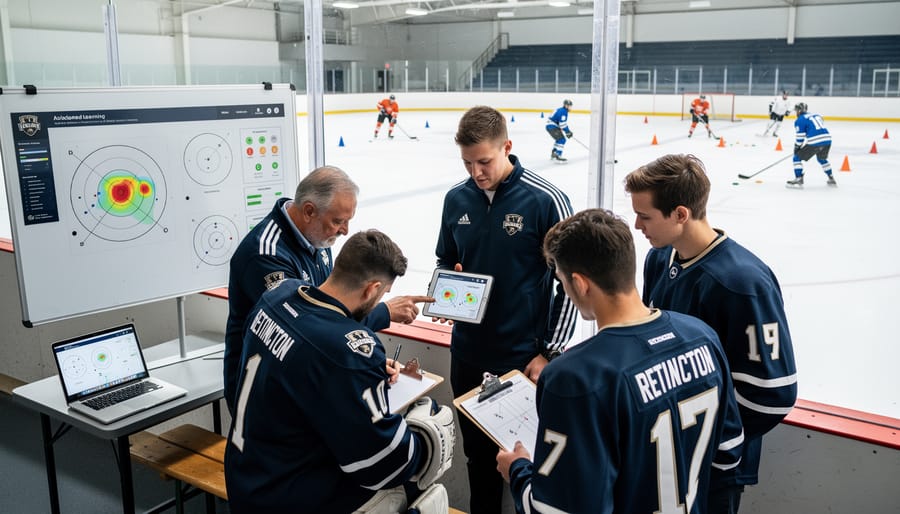
Starting your certification journey doesn’t require an immediate leap into full graduate programs. Begin by visiting the Association for Applied Sport Psychology’s Become Certified portal, where you’ll find a clear roadmap tailored to your current credentials and hockey coaching experience. This is where you’ll assess whether you meet the educational prerequisites or need foundational coursework first.
Download the Certification Program Candidate Handbook as your reference guide. It breaks down the complete CMPC pathway, including how your coaching hours with youth hockey teams might count toward supervised experience requirements. The handbook clarifies timelines and what documentation you’ll need, essential reading before you invest time or resources.
Review the Application Forms to understand what the process asks of you. Seeing the actual requirements on paper helps you plan backwards from certification to where you are now. You’re not committing by looking; you’re gathering the information you need to make a smart decision for your coaching career.
Explore the Exam/Study Resources section to understand what competencies the certification exam measures. This gives you a preview of the knowledge base you’ll develop, areas like performance enhancement, intervention strategies, and ethical practice that directly apply when you’re helping a young player manage pre-game nerves or recover confidence after a tough loss.
The Registry of Approved Mentors is perhaps your most valuable resource. Seek out mentors who have experience in team sports, particularly those who’ve worked in youth development contexts similar to hockey. A mentor who understands the specific pressures of youth hockey, balancing competitive goals with long-term athlete development, provides guidance that textbooks can’t. Don’t hesitate to reach out; building these professional relationships now creates the support network you’ll rely on throughout your certification journey and beyond.
Frequently Asked Questions About Sports Psychology Certification for Hockey Coaches
Can I pursue CMPC certification while coaching hockey full-time?
Yes, many hockey coaches complete CMPC requirements while actively coaching, though you’ll need to plan carefully around your season schedule. The certification requires a combination of educational credentials and supervised work experience, which you can often fulfill through your existing coaching role if structured properly, plus ongoing professional development that fits around practice and game commitments.
Does CMPC certification make me a sport psychologist?
No, the CMPC designation does not designate you as a “sport psychologist,” and requirements for providing psychological services are determined by individual state, provincial, and territorial licensing boards. CMPC certification qualifies you as a mental performance consultant who works with mental skills training and performance enhancement, not clinical psychological services.
What’s the difference between AASP and CSPA-ACPS certification?
Both organizations now certify CMPCs under a unified standard following a 2021 agreement, CSPA-ACPS entered into a Memorandum of Agreement with AASP to certify mental performance consultants using the same NCCA-accredited certification program. Canadian coaches can pursue certification through CSPA-ACPS while American coaches typically work through AASP, but the credential and standards are equivalent.
Do I need a psychology degree to become CMPC certified?
You need relevant graduate-level education in sport psychology or a related field that covers the required knowledge areas, but this doesn’t necessarily mean a traditional psychology degree. Many successful candidates come from kinesiology, exercise science, or education backgrounds with specialized coursework in mental performance and applied sport psychology.
These questions reflect the real concerns hockey coaches face when balancing certification pursuit with their primary responsibility, developing young athletes on and off the ice. The time commitment worry is particularly relevant for those in junior coaching positions where the season demands are intense and unpredictable.
Understanding the scope of practice distinction between CMPC certification and clinical licensure is critical for youth hockey coaches. You’re working with adolescents navigating developmental challenges, and knowing when a player needs mental skills training versus when they need referral to a licensed psychologist protects both you and your athletes. CMPC certification equips you to support performance anxiety, confidence building, and goal setting, not to treat anxiety disorders or depression.
The educational pathway question matters because many hockey coaches didn’t start their careers planning to pursue sports psychology credentials. If you have a bachelor’s degree in a related field and coaching experience, you can often build toward CMPC certification through targeted graduate certificates or coursework that fits your schedule. The key is completing the combination of educational and work requirements, successfully passing the certification exam, agreeing to ethical principles and standards, and committing to ongoing professional development that the certification demands.
Pursuing sports psychology certification isn’t about adding credentials to your resume. It’s about fundamentally transforming how you support young hockey players through the challenges that define their development, on ice and off. When you commit to this path, you’re choosing to become the coach who recognizes that a player struggling with confidence after a tough game needs different support than one who lacks technical skills. You’re investing in the evidence-based tools that help young athletes build mental resilience during pressure moments, maintain perspective when balancing academics and athletics, and develop the emotional maturity that serves them long after their playing days end.
The coaches who make the deepest impact in youth hockey understand that their role extends far beyond teaching skating techniques and game strategies. They’re educators and mentors who shape how young athletes view themselves, handle adversity, and grow as people. Certification equips you with frameworks rooted in research rather than guesswork, giving you systematic approaches to mental performance challenges specific to hockey development contexts.
This isn’t about winning more games next season. It’s about the fifteen-year-old who learns to manage pre-game nerves and carries that skill into job interviews. It’s about the twelve-year-old who develops goal-setting habits that transform their academic work. It’s about building programs where mental growth matters as much as physical skill.
When you pursue certification, you’re joining coaches who reject win-at-all-costs mentality in favour of holistic development. You’re choosing to be the mentor who changes lives, not just coaching careers.