

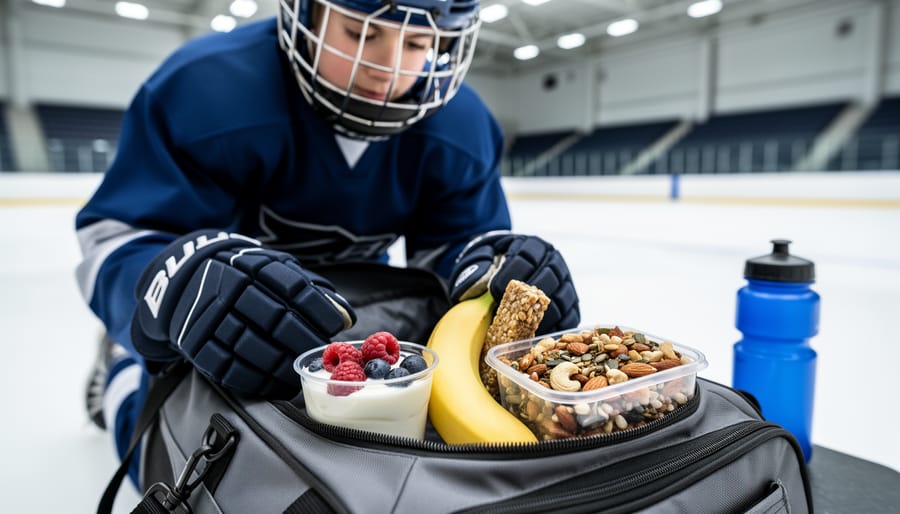
Young hockey players need nutrient-dense snacks that fuel intense training, support recovery between periods, and build long-term athletic development. The best options combine quality carbohydrates for quick energy, lean protein for muscle repair, and healthy fats for sustained performance, all packaged in forms that travel well in hockey bags and fit naturally into busy practice schedules.
Nutrition shapes every aspect of a young athlete’s game. A well-timed snack can mean the difference between fading in the third period and finishing strong. For parents and coaches guiding youth hockey players, the challenge isn’t just knowing that nutrition matters, it’s identifying which specific foods deliver performance benefits without requiring a degree in sports science or hours of meal prep.
The connection between what athletes eat and how they perform goes beyond simple calories. Growing bodies training at high intensity need strategic fuel choices. A snack consumed 30 minutes before practice serves a different purpose than one eaten immediately after a game. The right carbohydrates replenish glycogen stores depleted during sprints and aggressive play. Protein intake within two hours of training triggers muscle adaptation. Hydration status affects reaction time and decision-making on the ice.
This guide presents 15 practical snack options designed specifically for hockey players’ needs. Each choice balances nutritional science with real-world constraints: foods that withstand temperature changes in arenas, fit into equipment bags, require minimal preparation, and actually appeal to young athletes. Rather than vague advice about “eating healthy,” you’ll find actionable options with clear timing recommendations, portion guidance, and explanations of how each snack supports performance, recovery, and growth.
Why Nutrition Matters for Young Hockey Athletes
Hockey places extraordinary demands on young bodies. Players alternate between explosive skating bursts, physical battles along the boards, and strategic positioning, all while maintaining focus and coordination. This high-intensity interval pattern depletes glycogen stores rapidly, requires immediate muscle repair, and taxes both aerobic and anaerobic energy systems simultaneously. Unlike steady-state endurance sports, hockey demands power, speed, agility, and mental sharpness in quick succession, making nutrition timing and composition critical factors in performance.
Proper fueling extends far beyond athletic performance. Young athletes are still growing, developing bone density, building muscle tissue, and maturing neurologically. The energy demands of hockey stack on top of baseline growth requirements, creating a nutritional need that exceeds sedentary peers by 500-1000 calories daily depending on training intensity and body size. When young players under-fuel, whether through rushed mornings, skipped snacks, or reliance on nutrient-poor options, they compromise not only game-day output but also long-term physical development, immune function, and injury resilience.
The cognitive dimension matters equally. Hockey requires split-second decision-making, spatial awareness, and strategic thinking under physical stress. Stable blood sugar supports concentration during both practice drills and classroom learning. Research consistently shows that well-nourished young athletes demonstrate better academic performance, mood regulation, and ability to handle competitive pressure compared to those with erratic eating patterns.
Balancing energy density with nutrient quality becomes the practical challenge. Young hockey players need calorie-rich foods that sustain energy output, but those calories should deliver vitamins, minerals, protein, and healthy fats rather than empty refined sugars and processed ingredients. The snack choices that follow achieve this balance, providing both immediate fuel and the building blocks for healthy development.
How We Selected These Snack Choices
We selected these snacks using five core criteria that reflect both sports nutrition science and the real-world constraints families and coaches face. First, each option had to deliver evidence-based nutritional value, not empty calories, but foods that genuinely fuel performance and recovery. Second, we looked for macronutrient balance. The ideal hockey snack combines carbohydrates for immediate energy, protein to support muscle repair and growth, and healthy fats that sustain stamina through long training sessions or tournament days.
Portability mattered tremendously. Young athletes need options that travel well to early-morning practices, survive in a locker room bag, and require minimal refrigeration. We prioritized snacks that stay fresh under less-than-ideal conditions and are easy to eat between periods or in the car.
Appeal to young athletes was essential. A nutritionally perfect snack sits uneaten if kids won’t touch it. We chose options with familiar flavors, satisfying textures, and some variety to prevent palate fatigue over a long season.
Finally, practical preparation guided our selections. Parents and educators have limited time. These snacks require simple assembly, batch preparation when possible, and ingredients available at standard grocery stores. They build sustainable eating habits rather than relying on expensive specialty products or complicated recipes. This approach supports not just today’s game but lifelong health.
1. Greek Yogurt with Berries and Granola
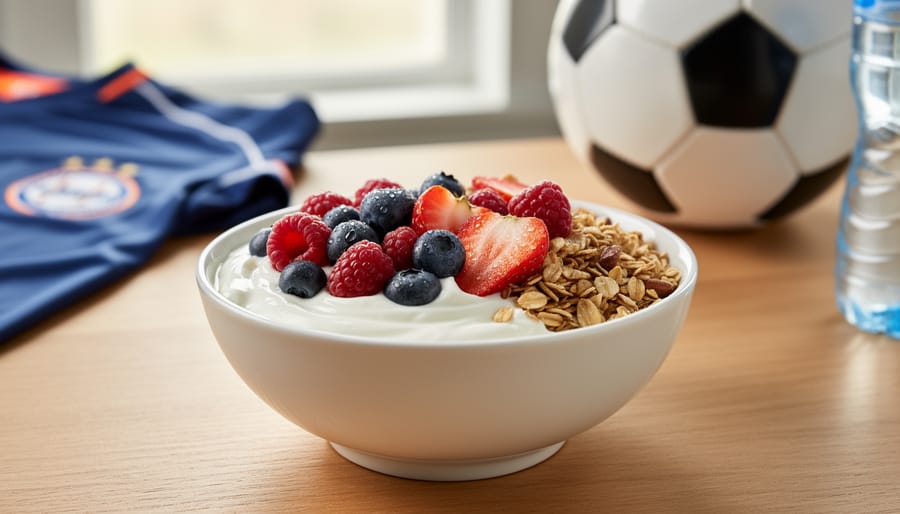
Greek yogurt delivers roughly 15-20 grams of protein per cup, providing the amino acids young muscles need to repair and grow stronger after practice or games. The protein helps rebuild muscle fibers stressed during explosive skating movements and physical contact, making this snack particularly valuable within two hours post-game when recovery windows matter most.
Beyond protein, Greek yogurt’s live probiotic cultures support immune function, crucial during long seasons when young athletes can’t afford to miss games due to illness. The gut-health connection also aids nutrient absorption, helping players get maximum benefit from everything they eat.
Fresh or frozen berries add antioxidants that combat exercise-induced inflammation while providing natural sweetness kids enjoy. Blueberries, strawberries, and raspberries pack vitamins without added sugars found in fruit-flavored yogurts.
Granola contributes quick-digesting carbohydrates to replenish depleted glycogen stores. Choose varieties with whole grains and minimal added sugar, about a quarter cup provides sufficient energy without excessive calories.
For pre-practice timing, serve this combination 60-90 minutes before ice time to allow digestion. Post-game, it works immediately. Prepare grab-and-go containers the night before: layer yogurt, berries, and pack granola separately to maintain crunch until eating.
2. Banana with Almond or Peanut Butter
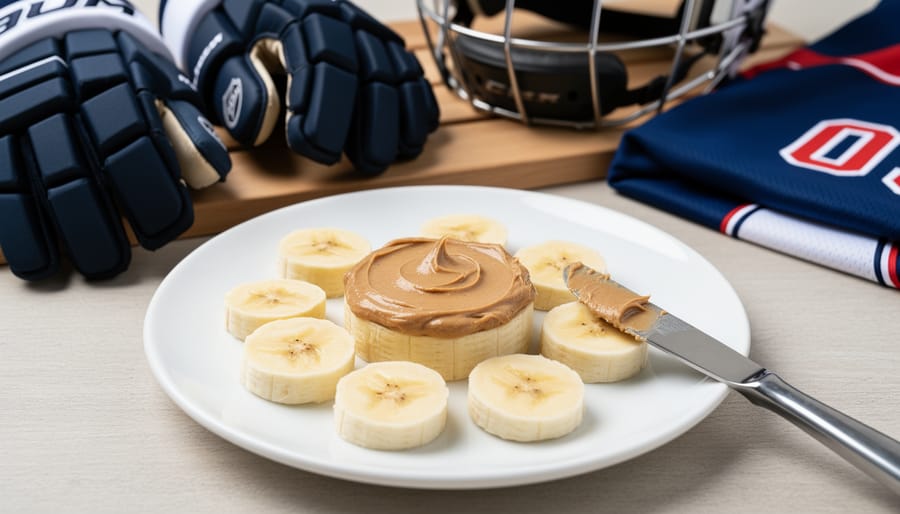
A banana paired with a tablespoon of almond or peanut butter stands out as one of the most effective pre-game snacks for young hockey players. The banana provides 20-25 grams of quick-digesting carbohydrates that convert rapidly into glucose, giving muscles immediate fuel for those explosive shifts on the ice. This makes it perfect for eating 30-60 minutes before puck drop.
The potassium in bananas, about 400mg per medium fruit, plays a critical role in muscle contraction and nerve signaling, helping prevent the painful cramps that can sideline players mid-game. Meanwhile, the nut butter adds approximately 8 grams of protein and healthy monounsaturated fats that slow digestion just enough to provide sustained energy without causing stomach discomfort during intense movement.
This combination hits the sweet spot: fast-acting carbs get players energized quickly, while the protein and fat extend that energy through warm-ups and into the first period. It’s portable, requires no refrigeration, and most young athletes actually enjoy eating it, a practical advantage when you’re trying to fuel a reluctant pre-teen before an early morning practice.
3. Whole Grain Crackers with Cheese and Turkey Slices
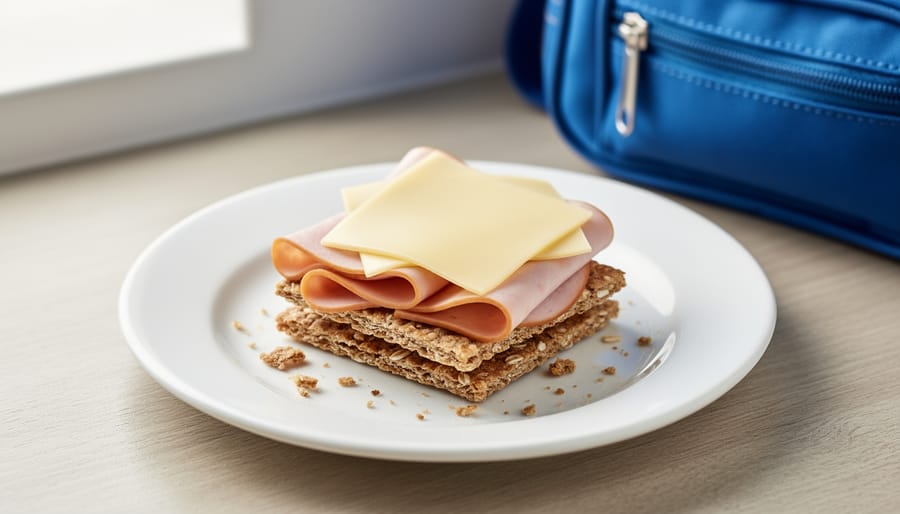
Whole grain crackers paired with cheese and turkey slices deliver a balanced macronutrient profile that addresses the demanding gap between school dismissal and evening practice. The complex carbohydrates in whole grain crackers provide steady energy release, preventing the blood sugar spikes and crashes associated with refined grain alternatives. Turkey offers complete protein with all essential amino acids needed for muscle repair and growth in young athletes. Cheese contributes additional protein alongside calcium, which is critical during adolescent bone development when hockey players face repetitive impact stress on their skeletal system.
This combination’s portability stands out as a practical advantage. Parents can pack it in insulated lunch bags without refrigeration concerns for several hours, and the sturdy nature of crackers prevents the messy situations that can occur with softer snacks in hockey bags. The moderate fat content from cheese and lean protein from turkey creates satiety that carries young players through homework and travel to the rink without the heavy, uncomfortable feeling that can impair performance on ice.
4. Trail Mix with Nuts, Seeds, and Dried Fruit
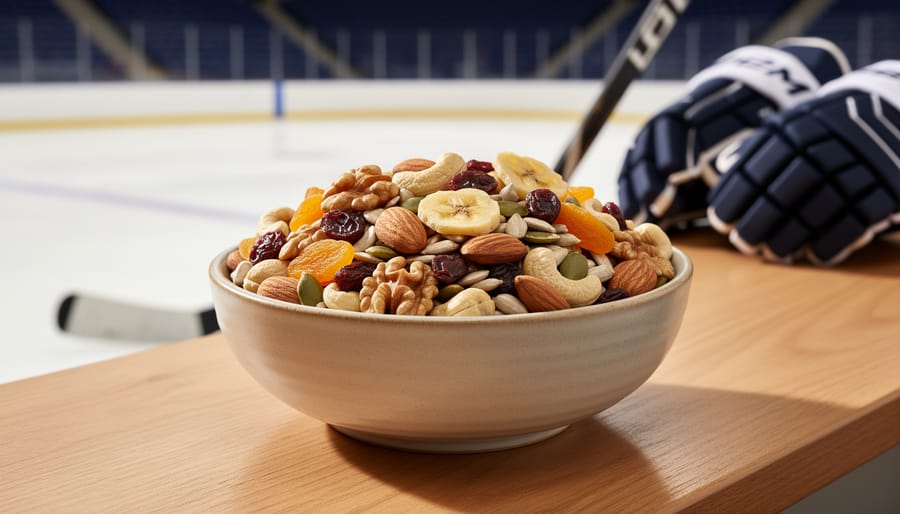
Trail mix packs serious nutritional punch in a portable format that thrives in hockey bags and tournament coolers. The combination of nuts, almonds, walnuts, cashews, delivers healthy unsaturated fats that support brain development and cognitive function, essential for young athletes balancing demanding practice schedules with schoolwork. These fats also slow digestion, providing steady energy release rather than the spike-and-crash pattern from simple sugars.
Seeds like pumpkin and sunflower add magnesium for muscle relaxation and recovery, plus zinc to support immune function during intense training periods when illness can derail progress. Dried fruit contributes quick-access carbohydrates and fiber that moderates blood sugar response, keeping energy levels stable through long tournament days.
The catch with trail mix is calorie density. A quarter-cup serving contains 150-200 calories, making it easy to overconsume. For young hockey players, this works in their favor as a between-meal option or pre-game fuel, but portion control matters. Pack individual servings in small containers or bags rather than offering open access to bulk quantities.
Skip commercial versions loaded with candy pieces, yogurt chips, or chocolate chunks. These additions spike sugar content without nutritional benefit. Instead, create homemade blends focusing on raw or lightly roasted nuts, seeds, and unsweetened dried fruit like raisins, cranberries, or apricots.
5. Hummus with Veggie Sticks and Whole Wheat Pita
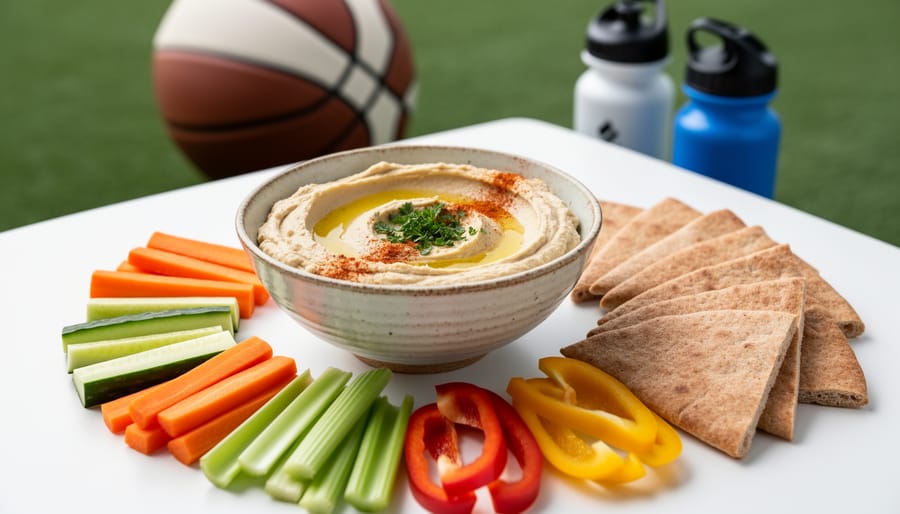
Hummus delivers plant-based protein from chickpeas, around 8 grams per half-cup serving, making it a valuable option for young athletes who need diverse protein sources beyond meat and dairy. The fiber content slows digestion, providing steady energy release that prevents the blood sugar spikes and crashes common with processed snacks. This sustained fuel matters during long practice sessions or homework hours after school.
Pairing hummus with colorful vegetables, carrots, bell peppers, cucumbers, cherry tomatoes, adds vitamins A and C for immune support, plus antioxidants that help reduce inflammation from intense training. The variety of colors signals different phytonutrients, each supporting different body systems. Adding whole wheat pita provides complex carbohydrates that replenish glycogen stores without weighing young players down.
This snack sneaks vegetables into diets where they’re often missing, teaching young athletes that healthy eating doesn’t mean sacrificing flavor. The combination supports digestive health through both soluble and insoluble fiber, which matters for nutrient absorption and maintaining consistent energy. Parents can prep veggie sticks in advance and pack this snack in small containers for easy rink-side eating.
6. Chocolate Milk (Low-Fat)
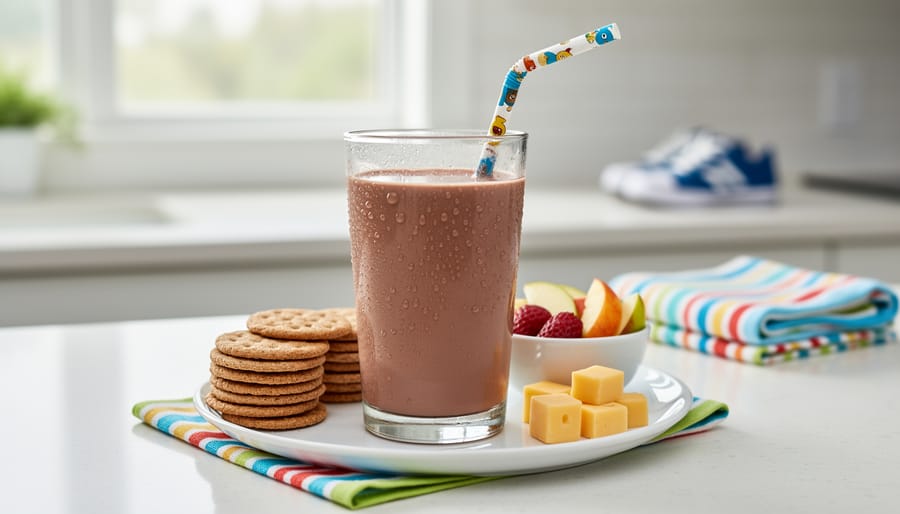
Chocolate milk has earned serious scientific credibility as a recovery drink for young athletes. Research consistently shows its 4:1 carbohydrate-to-protein ratio matches what muscles need most after intense exercise, quick-digesting carbs to replenish glycogen stores and quality protein to begin repairing muscle tissue. For hockey players who have just finished a game or hard practice, this combination jumpstarts recovery when their bodies are primed to absorb nutrients.
The calcium content supports bone development during critical growth years, which matters especially for a contact sport that stresses the skeletal system. Low-fat versions deliver the same recovery benefits while being easier to digest than whole milk immediately after exertion. The fluid component addresses hydration needs that water alone cannot fully meet when electrolytes have been lost through sweat.
Young athletes appreciate that chocolate milk tastes like a treat rather than a nutritional obligation. This psychological win makes post-game refueling consistent instead of forced. Keep it cold in a cooler at the rink, and aim to have players drink it within that crucial 30-minute post-exercise window when nutrient uptake is most efficient.
7. Apple Slices with Cheese Cubes
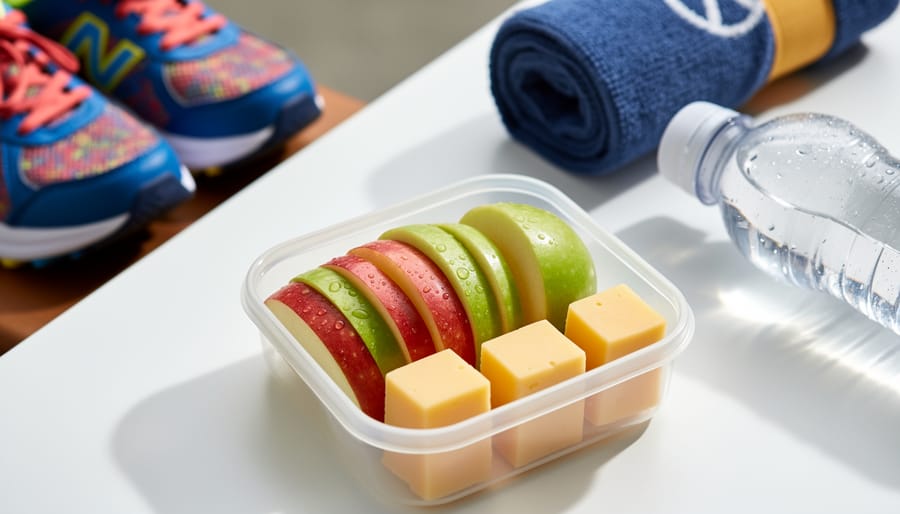
Apples deliver quick energy through natural fructose while providing 4-5 grams of fiber that supports digestive health and sustained fuel release. When you pair apple slices with cheese cubes, cheddar, mozzarella, or Colby work well, you add 6-8 grams of complete protein and about 200 milligrams of calcium per ounce. This combination creates a metabolic advantage: the protein and fat in cheese slow the absorption of fruit sugars, preventing the sharp blood glucose spike and subsequent crash that can leave young players feeling sluggish midway through a tournament.
This snack travels exceptionally well in coolers without creating mess or requiring utensils. Pre-cut apple slices stay fresh for hours when stored in an airtight container, and individually wrapped cheese portions make rink-side eating simple between games. The satisfying crunch appeals to young athletes, and the familiar flavors mean even hesitant eaters will typically accept this option when more adventurous choices get rejected during the stress of competition days.
8. Overnight Oats with Chia Seeds and Fruit
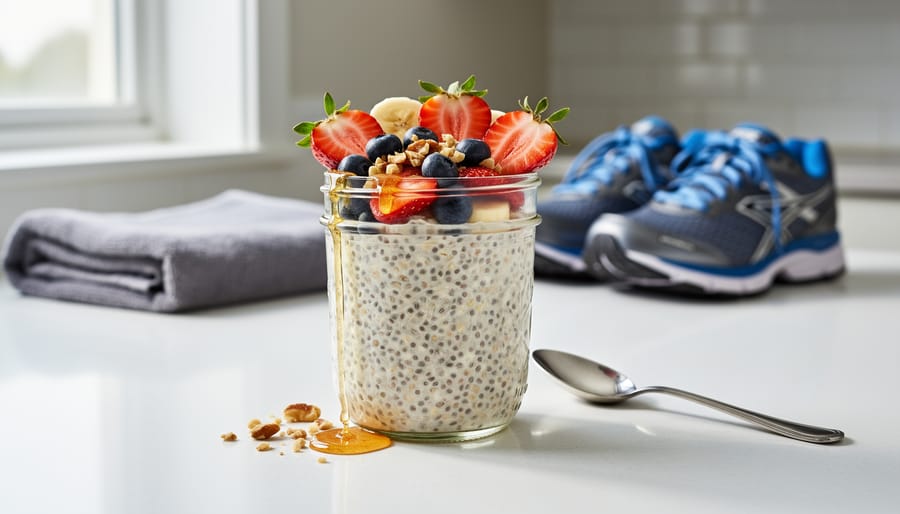
Overnight oats solve the morning chaos problem that plagues hockey families rushing to early practices. You prepare this snack the night before by combining rolled oats, milk or a plant-based alternative, chia seeds, and your choice of fruit in a jar or container. Refrigerate overnight, and you have a ready-to-eat, nutrient-dense option that requires zero morning effort.
The complex carbohydrates from oats release energy gradually over several hours, preventing the blood sugar spikes and crashes that sideline young athletes. Chia seeds contribute omega-3 fatty acids that help reduce exercise-induced inflammation, supporting faster recovery between training sessions. These tiny seeds also absorb liquid and create a satisfying texture while adding fiber that keeps hunger at bay during long school-to-rink days.
Customization makes overnight oats work for even picky eaters. Try combinations like banana and cinnamon, mixed berries and honey, or apple and almond butter. Add a scoop of protein powder for post-game recovery, or keep it lighter for pre-practice fueling. The portability means players can eat in the car, at the rink, or between classes without mess or fuss.
9. Hard-Boiled Eggs with Whole Grain Toast
Hard-boiled eggs paired with whole grain toast deliver complete protein, all nine essential amino acids, critical for repairing muscle tissue after intense skating drills and supporting ongoing growth. Each egg provides about 6 grams of protein plus choline, a nutrient that supports brain function, memory consolidation, and focus, advantages that carry from the rink into the classroom. The B vitamins in both eggs and whole grains (particularly B12, folate, and thiamine) drive energy metabolism, helping young bodies convert food into usable fuel efficiently.
This combination works exceptionally well as a mid-morning or mid-afternoon snack, roughly two to three hours before practice, allowing sufficient digestion time without feeling heavy on the ice. Many families in youth hockey programs batch-prepare a dozen eggs on Sunday evenings, storing them peeled in the refrigerator for grab-and-go convenience throughout the week. For tournament fueling pack eggs in a small cooler with pre-sliced toast, adding a piece of fruit for quick carbohydrates between games.
10. Smoothie with Spinach, Banana, Protein Powder, and Berries
This smoothie packs multiple food groups into one glass, making it ideal for rushed mornings or post-practice recovery. Spinach provides iron and folate without altering the fruity taste, while bananas supply quick carbohydrates and potassium. Berries add antioxidants that combat exercise-induced inflammation, and the liquid base aids hydration alongside nutrient delivery.
Choose whey or plant-based protein powders with minimal additives and around 15-20 grams per serving, avoid products with artificial sweeteners or excessive sugar. Read labels carefully, as many commercial options target adult bodybuilders rather than young athletes.
Smoothies digest easily within 30-45 minutes, making them excellent 60-90 minutes before ice time or immediately after games when solid food feels unappealing. Their portability supports balancing school and training demands. Involving players in blending their own combinations builds healthy athlete habits and allows customization to individual taste preferences while maintaining nutritional quality.
11. Rice Cakes with Avocado and Sea Salt
Rice cakes topped with mashed avocado and a pinch of sea salt deliver quick energy without weighing young players down before they hit the ice. The plain rice cake base provides easily digestible carbohydrates that convert rapidly to fuel during high-intensity shifts, while avocado adds creamy texture and heart-healthy monounsaturated fats that support cardiovascular endurance throughout three periods of play.
This combination supplies potassium, an electrolyte that helps prevent muscle cramping and supports proper nerve signaling during explosive skating movements. Avocados also contain natural anti-inflammatory compounds that aid practice and recovery particularly valuable during tournament weekends when young athletes play multiple games in short succession.
The light nature of this snack makes it ideal 30 to 45 minutes before game time, when heavier foods might cause digestive discomfort. A sprinkle of sea salt replenishes sodium lost through sweat while enhancing flavor, making this simple preparation appealing even to young athletes who typically resist vegetables.
12. Cottage Cheese with Pineapple or Peaches
Cottage cheese paired with pineapple or peaches offers a unique nutritional advantage for young hockey players: its casein protein delivers amino acids gradually over several hours, making it particularly valuable before bed or during extended periods between meals. While whey protein from sources like Greek yogurt works quickly for immediate recovery, casein supports muscle repair through the night when young athletes do most of their growing, or sustains them through a long school day before evening practice.
A half-cup serving provides roughly 14 grams of protein alongside significant calcium for developing bones that withstand the physical demands of hockey. Pineapple adds bromelain, an enzyme that may help reduce inflammation after intense games, while peaches contribute vitamin A for immune function.
Texture can be a hurdle with cottage cheese. Start with smaller curd varieties mixed thoroughly with fruit, the sweetness masks the tanginess. Low-fat versions work well for most young athletes, though full-fat provides extra calories for those burning significant energy. Let players customize their bowl with a drizzle of honey or sprinkle of cinnamon to build acceptance before making it a regular rotation snack.
13. Whole Grain Bagel with Cream Cheese and Smoked Salmon
A whole grain bagel topped with cream cheese and smoked salmon delivers substantial energy and recovery nutrients, making it an excellent choice when young hockey players need more than a light snack. This combination provides approximately 400-500 calories, perfect for athletes with high energy demands during growth spurts or around major competitions.
Smoked salmon stands out as a nutritional powerhouse. It supplies complete protein containing all essential amino acids for muscle repair, while its omega-3 fatty acids (EPA and DHA) reduce exercise-induced inflammation and support brain function, critical for both game-day decision-making and classroom performance. You’ll also get vitamin D, which many young athletes lack, especially during winter months spent in indoor rinks. This vitamin supports bone health, immune function, and muscle strength.
The whole grain bagel provides complex carbohydrates that replenish glycogen stores depleted during intense skating and checking. Paired with cream cheese, which adds healthy fats and additional protein, this snack offers sustained energy without the blood sugar spike of refined grains.
Time this option strategically: serve it 2-3 hours before competition when athletes need substantial fueling, or immediately after games when the recovery window demands both protein and carbohydrates. Keep portions age-appropriate, half a bagel works well for younger players, while teenagers managing heavy training loads can handle the full serving.
14. Edamame (Steamed Soybeans) with Light Salt
Edamame offers young hockey players a unique combination of complete plant-based protein, containing all nine essential amino acids necessary for muscle repair and growth, in a format that’s genuinely fun to eat. Each cup delivers roughly 17 grams of protein alongside 8 grams of fiber, supporting sustained energy release during long practice sessions and tournaments. The iron content is particularly valuable for hockey athletes, as this mineral helps transport oxygen to working muscles during high-intensity shifts on the ice.
Preparation couldn’t be simpler: steam frozen edamame for 5-7 minutes, drain, and sprinkle with a pinch of sea salt. Parents can prepare batches ahead of time and store them in the refrigerator for grab-and-go convenience. The interactive experience of popping beans from their pods keeps young athletes engaged and makes healthy eating feel less like a chore.
Introducing edamame expands players’ understanding that protein sources extend beyond traditional meat and dairy options. This knowledge becomes especially important as athletes mature and begin making independent nutrition choices, fostering dietary flexibility that supports both performance goals and lifelong health.
15. Energy Balls (Homemade with Oats, Nut Butter, and Honey)
Energy balls offer young hockey players a portable, nutrient-dense snack that’s simple enough for them to make themselves. The basic formula combines rolled oats (complex carbohydrates), nut butter (protein and healthy fats), and honey (natural sweetness and binding), creating a balanced energy source that digests steadily during long tournament days. Unlike commercial energy bars that often contain 15-20 grams of added sugar and lengthy ingredient lists with preservatives, homemade versions give families complete control over what goes into their athlete’s body.
- Base ingredients: 1 cup rolled oats, ½ cup nut butter, ⅓ cup honey
- Add-in options: mini chocolate chips, dried cranberries, chia seeds, shredded coconut, vanilla extract
- Storage tips: refrigerate in airtight container for up to one week, or freeze for longer shelf life
The recipe framework is endlessly customizable. Young athletes can experiment with almond butter versus peanut butter, add protein powder for extra recovery support, or incorporate their favorite mix-ins. Each ball contains roughly 100-150 calories depending on size, making portion control straightforward. Rolling the mixture into uniform balls teaches measurement and consistency while the no-bake preparation removes safety concerns around hot stoves.
Involving hockey players in the kitchen builds nutrition literacy that extends far beyond snack time. When they see how simple whole ingredients combine to create something delicious, they begin understanding that fueling their bodies doesn’t require processed convenience foods. This hands-on experience connects directly to performance conversations with coaches and supports the decision-making skills that benefit both athletic and academic pursuits.
Timing Your Snacks for Maximum Benefit
When you eat matters almost as much as what you eat. Young hockey players need different fuel at different times, and understanding this rhythm helps maximize performance, recovery, and growth.
Pre-Practice Fueling (30-60 Minutes Before Ice Time)
Before stepping onto the ice, young athletes need easily digestible carbohydrates paired with moderate protein. A banana with almond butter or Greek yogurt with berries provides quick energy without causing digestive discomfort during intense skating drills. Avoid high-fat or high-fiber foods immediately before practice, as they digest slowly and can cause cramping. The goal here is topping off energy stores while keeping the stomach settled.
Between Periods and During Long Practices
During breaks, focus on quick carbohydrates and hydration. Apple slices, a few rice cakes, or a small handful of trail mix keeps blood sugar stable without overwhelming the system. Some young players do well with half a banana or a few whole grain crackers. Keep portions small since digestion competes with performance when the body is still in high-activity mode.
The Post-Game Recovery Window
Within 30 minutes of leaving the ice, young athletes should consume a combination of carbohydrates and protein in roughly a 3:1 or 4:1 ratio. Chocolate milk, a smoothie with protein powder and banana, or a whole grain bagel with turkey accomplishes this perfectly. This narrow timeframe accelerates muscle recovery, reduces soreness, and prepares the body for the next training session. Missing this window doesn’t ruin everything, but capitalizing on it makes a measurable difference over a full season.
Tournament Day Strategy
Long tournament weekends demand a deliberate fueling plan. Pack a cooler with variety: overnight oats for early morning games, hummus with veggie sticks and pita for between-game grazing, hard-boiled eggs for sustained energy, and cottage cheese with fruit for evening recovery. Rotate between lighter, easily digestible options before games and more substantial snacks afterward. Stay ahead of hunger rather than reacting to it, and prioritize hydration alongside solid food throughout the day.
Building Lifelong Healthy Eating Habits
The nutrition lessons young hockey players learn today shape their relationship with food for decades to come. When coaches and parents involve athletes in snack selection and preparation, they transform eating from a passive routine into an active skill that builds confidence and autonomy.
Research shows that stable blood sugar from balanced snacks directly improves concentration during school hours. A student who ate Greek yogurt with berries before class performs better on tests than one who skipped breakfast or grabbed only a sugary pastry. These connections help young athletes understand that nutrition isn’t just about sports performance, it’s about feeling sharper during exams and having energy for homework after practice.
Educators and coaches model healthy habits through their own choices and the culture they create. When a coach brings apple slices and cheese to practice instead of candy, or when teachers discuss why whole grains provide sustained energy, they normalize nutritious eating. Simple actions like keeping a cooler of healthy options at the rink or discussing meal planning during team meetings embed these lessons into daily life.
The discipline required to prepare snacks the night before, pack a nutritious lunch, or choose fruit over chips translates directly to time management, goal-setting, and self-care skills. Young athletes who learn to fuel their bodies properly carry that intentionality into academic preparation, career decisions, and personal relationships long after their hockey careers end.
Common Questions About Hockey Nutrition
Navigating nutrition for young hockey players raises practical questions for parents, coaches, and the athletes themselves. Here are evidence-based answers to the most common concerns.
What if my child is a picky eater?
Start with one or two options they already tolerate, then gradually introduce similar textures and flavors. Pairing new foods with familiar favorites, like adding berries to yogurt they already enjoy, reduces resistance and builds acceptance over time.
How do I handle travel and tournament weekends?
Pack a cooler with portable options like cheese sticks, trail mix, hard-boiled eggs, and pre-cut fruit. Preparing snacks at home ensures consistent nutrition even when arena concessions offer only processed choices.
Are sports drinks necessary for young hockey players?
For typical practices under 60 minutes, water suffices. Reserve sports drinks for tournaments, multiple games in one day, or exceptionally hot conditions when electrolyte replacement becomes important.
What about supplements for young athletes?
Whole foods should provide all necessary nutrients for growing hockey players. Supplements aren’t needed unless a healthcare provider identifies a specific deficiency through testing.
Should snacks differ by position or body type?
Energy needs vary more by activity level and growth stage than position. Forwards skating high-intensity shifts might need slightly more carbohydrates, while developing defensemen might benefit from additional protein, but individual hunger cues remain the best guide.
These questions reflect real concerns from rink-side conversations and team parent groups. The key principle remains consistent: focus on nutrient-dense whole foods, listen to individual needs, and avoid overcomplicating nutrition for young athletes still developing their relationship with food and fueling.
The snacks you choose for your young hockey player shape far more than their next shift on the ice. Each wholesome option, from Greek yogurt parfaits to homemade energy balls, builds a foundation for sustained energy, faster recovery, and resilient bodies capable of handling the demands of competitive sport. But the benefits extend well beyond the rink. When kids learn to connect what they eat with how they feel and perform, they’re developing critical thinking skills and self-awareness that translate directly to the classroom and beyond.
Nutrition isn’t separate from education or character development, it’s central to both. Involving young athletes in snack preparation, discussing why certain foods support their goals, and celebrating small victories in healthy eating teaches responsibility, planning, and delayed gratification. These lessons stick with them through late-night study sessions, college transitions, and adult life.
Start with just two or three options from this list that match your family’s schedule and your athlete’s preferences. Observe what works, adjust portions and timing, and gradually expand the variety. The goal isn’t perfection, it’s progress toward habits that will serve them for decades.
When we fuel our young athletes thoughtfully, we’re not just preparing them for the next game. We’re equipping them with knowledge, resilience, and respect for their bodies that will power every goal they chase, on and off the ice.