The alarming rise of online sports betting platforms where link to the baccarat page is accepted has created an urgent need to protect young hockey players from gambling risks. As youth hockey coaching responsibilities continue to evolve, addressing gambling prevention has become as crucial as teaching proper skating technique or team strategy. Recent studies show that athletes exposed to gambling education programs during their developmental years are 60% less likely to develop problematic betting behaviors later in life.
The intersection of technology, sports, and easily accessible betting platforms presents unique challenges for today’s youth hockey community. With smartphones providing 24/7 access to sports betting apps and social media constantly promoting odds and betting lines, young players need comprehensive guidance now more than ever. This education isn’t just about preventing future addiction – it’s about fostering a healthy relationship with the sport, understanding its true values, and developing critical thinking skills that extend far beyond the rink.
By implementing structured gambling awareness programs within youth hockey organizations, we can equip our young athletes with the knowledge and resilience they need to navigate these challenges while maintaining their focus on personal growth, skill development, and the pure joy of the game.
The Rising Tide of Sports Betting in Youth Hockey
Understanding the Digital Gambling Landscape
Today’s digital landscape has made sports betting more accessible than ever, particularly through mobile apps and online platforms. Recent 2025 data reveals that approximately 68% of minors aged 13-17 have been exposed to sports betting advertisements, with exposure rates climbing to 79% among youth athletes who regularly watch sports broadcasts. Young hockey players are increasingly encountering betting advertisements during games, on social media, and through gaming-style apps that blur the line between entertainment and gambling.
The prevalence of sports betting ads during broadcasts has surged dramatically. Studies from early 2026 show that major sporting events now average 4.2 betting-related advertisements per hour of programming, with some hockey games featuring promotional content every 8-12 minutes. Popular betting platforms feature user-friendly interfaces, attractive promotional offers, and seamless integration with sports content, making them particularly appealing to tech-savvy youth.
Key statistics on youth exposure to sports betting include:
- 68% of minors aged 13-17 have been exposed to betting advertisements (2025 data)
- Social media remains the primary exposure channel at 52%, followed by streaming platforms at 41% and in-game mobile ads at 38%
- 79% of youth athletes report seeing betting content during or around sports programming
- Mobile gambling app downloads among users aged 18-24 increased 43% between 2024 and 2025
- Gaming apps with integrated betting features account for 31% of youth exposure to gambling content
The accessibility of these platforms presents unique challenges for youth gambling prevention, as many require minimal age verification and can be accessed through various devices. Fantasy sports apps and prediction games, which may seem harmless, often serve as gateways to more serious betting activities. Social media platforms frequently display targeted betting advertisements, while streaming services and sports websites commonly feature betting odds and promotional content.
Understanding this digital environment is crucial for protecting young athletes from sports betting risks. Many betting platforms incorporate social elements and game-like features that can be particularly engaging for younger users, potentially normalizing gambling behavior within sports culture. This understanding helps educators and parents identify risk factors and implement effective preventive measures.
Group of young hockey players looking at a smartphone together, with a concerned coach observing nearby
Warning Signs of Youth Gambling Behavior
Recognizing problematic gambling behavior early is crucial for protecting young athletes. Like other youth athlete risk behaviors, gambling addiction often presents subtle signs before becoming severe. Parents and coaches should watch for players who frequently discuss betting odds, sports betting apps, or gambling websites. Changes in behavior, such as increased secrecy with electronic devices, unexplained money issues, or borrowing from teammates, can indicate potential problems.
Be alert if players show intense preoccupation with game scores unrelated to their own team’s performance, or if they express unusual knowledge about betting lines and spreads. Missing practices or games due to unexplained reasons, declining academic performance, or sudden mood changes might also signal gambling involvement.
Additional red flags include players asking for advanced allowances, selling personal items, or displaying anxiety when unable to access their phone during practice. If multiple warning signs appear, it’s essential to address concerns promptly and seek professional guidance to prevent the development of serious gambling issues.
Building a Protective Educational Framework
Age-Appropriate Discussion Strategies
Discussing gambling risks with young hockey players requires tailored approaches based on their age and maturity level. For players aged 8-11, focus on building foundational understanding through simple concepts and relatable examples. Use storytelling to explain the difference between skill-based hockey activities and chance-based gambling, emphasizing that success in hockey comes from practice and dedication.
With players aged 12-14, introduce more specific conversations about online gaming and in-app purchases, as this age group often begins exploring digital platforms. Discuss how certain gaming mechanics can mimic gambling behaviors, using examples like loot boxes or player card collections in hockey-themed games. Encourage critical thinking by asking them to identify potentially risky situations.
For high school players (15-18), address the topic directly while acknowledging their increasing independence. Share real-world examples of athletes who’ve faced gambling challenges, discuss the legal implications, and explore how gambling can impact athletic careers. Focus on developing responsible decision-making skills and understanding the importance of seeking help when needed.
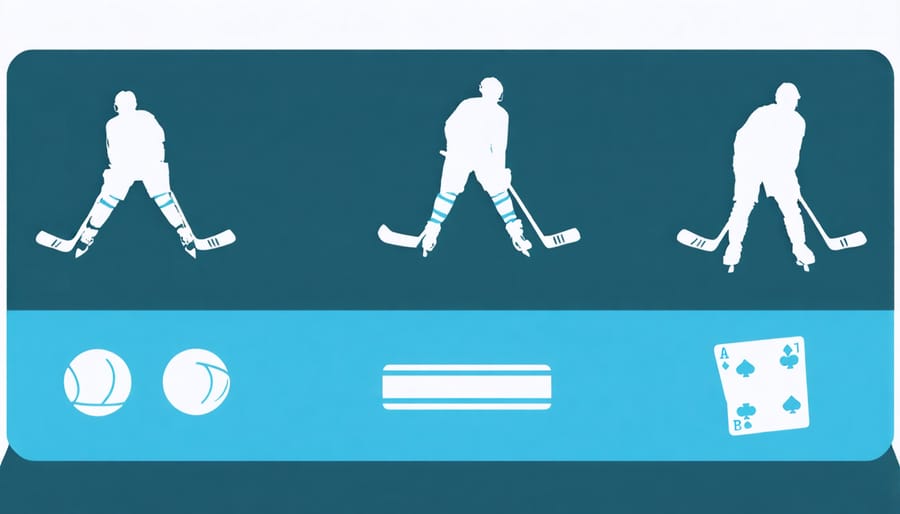
Effective age-appropriate education means matching both your message and delivery method to each developmental stage. The following framework provides youth hockey coaching staff with a clear roadmap for prevention conversations:
| Age Group | Key Messages | Recommended Activities/Discussion Topics |
|---|---|---|
| 8-11 | Hockey success comes from practice, not chance; understand the difference between games of skill and luck | Storytelling, visual comparisons, team value discussions, parental involvement activities |
| 12-14 | Recognize gambling-like mechanics in games; understand risks of online platforms and in-app purchases | Digital literacy sessions, identifying loot boxes and card packs, critical thinking exercises, peer conversations |
| 15-18 | Legal consequences of underage gambling; impact on athletic performance and career; when and how to seek help | Case studies of athletes, scenario-based discussions, mental health resources, peer-led forums |
Regardless of age, maintain open dialogue and create a supportive environment where players feel comfortable asking questions. Use team meetings, individual check-ins, and parent-coach conferences to reinforce these messages. Incorporate discussion opportunities during relevant moments, such as when covering topics like sportsmanship and team values.
Remember to adapt your communication style and complexity of information based on players’ comprehension levels. For younger athletes, use visual aids and interactive activities, while older players might benefit from peer-led discussions and real-life case studies.
Team Policy Development
Developing a comprehensive team gambling policy is essential for positive youth development through hockey. Organizations need clear, written guidelines that address both traditional and online gambling risks, making them accessible to players, parents, and staff.
Strong hockey team policies should include strict prohibitions on any gambling activities during team events, clear consequences for violations, and guidelines for responsible social media use. A zero-tolerance approach to gambling-related harassment or pressure among teammates protects the entire roster.
All coaches, staff members, and volunteers should undergo gambling awareness training annually. This ensures they can recognize warning signs and respond appropriately when concerns arise. Regular policy reviews keep pace with emerging gambling trends and technologies that continue to evolve.
Communication matters. Present policies during pre-season meetings and reinforce them throughout the year. Create age-appropriate versions so younger players understand what’s expected of them. Include specific protocols for reporting concerns and accessing support services.
Parents should acknowledge these policies in writing, creating a partnership in protecting young athletes. Teams can strengthen their approach by collaborating with local gambling prevention organizations and mental health professionals to review and enhance their guidelines.
Document all gambling-related incidents and policy enforcement actions to maintain consistency and identify areas for improvement. Regular feedback from players, parents, and coaches helps ensure policies remain effective and relevant to the current youth hockey environment.
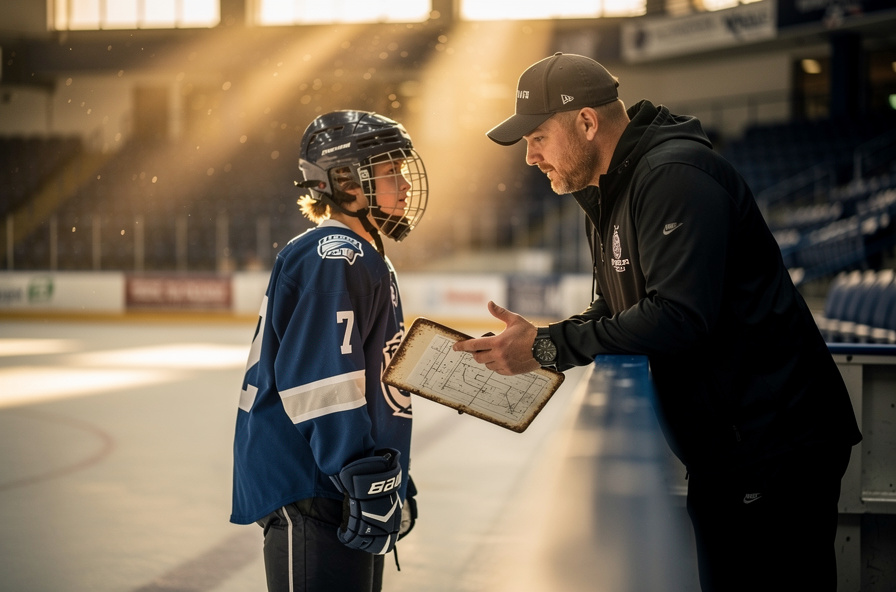
Team meeting scene with coach using whiteboard to explain responsible decision-making
Empowering Players to Make Informed Choices
Building Financial Literacy
Financial literacy serves as a crucial foundation for young hockey players navigating the modern sports landscape. Understanding money management helps athletes make informed decisions and recognize potential gambling risks. By introducing basic financial concepts early, we equip young players with the tools to resist the allure of quick-money schemes and gambling advertisements that increasingly target youth through digital channels.
Start by teaching players about budgeting, savings, and the value of money earned through hard work. Create practical exercises that demonstrate how gambling can quickly deplete savings and discuss the statistical improbability of “getting rich quick” through betting. Use real-world examples from professional sports to illustrate the financial pitfalls that have affected athletes who developed gambling problems. These concrete cases help make abstract risks feel tangible and relevant.
Encourage open discussions about the relationship between sports and money, including how gambling companies target young athletes through social media and gaming platforms. Teach players to recognize manipulative marketing tactics and understand the difference between strategic financial planning and high-risk gambling behaviors. This gambling risks education should be woven naturally into broader financial literacy youth programs, helping players see the full picture of responsible money management.
Involve parents and guardians in financial education efforts, providing them with resources to continue these conversations at home. Consider partnering with financial experts who can present age-appropriate workshops focusing on smart money management and the long-term benefits of financial responsibility. When families reinforce these lessons consistently, young athletes develop stronger defenses against financial exploitation.
Building financial literacy is an ongoing process. Regular check-ins and updated educational materials help reinforce these important lessons as players progress through their hockey careers and face new financial decisions.
Developing Healthy Coping Mechanisms
Young athletes face significant pressures in competitive hockey, making it crucial to develop healthy ways to manage stress and emotions. Instead of turning to potentially harmful outlets like gambling, players can build a toolkit of positive coping strategies that enhance both their athletic and personal development.
When pressure mounts, having concrete techniques to turn to makes all the difference. Here are practical coping strategies young athletes can implement immediately:
- Practice controlled breathing exercises. Try the 4-7-8 technique: breathe in for four counts, hold for seven, exhale for eight. Use this before games, during intermissions, or whenever anxiety builds.
- Talk to a trusted adult. Whether it’s a parent, coach, school counselor, or family friend, sharing worries with someone supportive helps put pressure in perspective and prevents feelings from building up.
- Keep a journal. Write down thoughts and feelings after practices or games. This creates distance from intense emotions and helps identify patterns in what triggers stress.
- Move your body in different ways. Go for a walk, shoot baskets, or try yoga. Physical activity outside of structured hockey practice releases tension and clears the mind.
- Connect with teammates. Reach out to peers who understand the unique pressures of competitive sports. Knowing others share similar struggles reduces isolation and builds team resilience.
- Use progressive muscle relaxation. Systematically tense and release muscle groups from toes to head. This technique calms the nervous system and works especially well before bed or before high-stakes games.
- Create a pre-game routine. Develop a consistent sequence of activities (stretching, listening to music, visualization) that signals your mind and body it’s time to focus and perform.
These healthy coping mechanisms for youth athlete mental health become more effective with regular practice. Players shouldn’t wait for a crisis to try them. Building these skills during calmer moments makes them accessible when stress peaks.
Creative expression through music or art offers additional healthy alternatives for processing emotions. These activities provide safe spaces for players to explore their feelings away from the intensity of competition. Mindfulness practices and visualization techniques can help athletes maintain focus while reducing anxiety.
Engaging in non-hockey activities and maintaining balanced social connections helps prevent unhealthy fixation on game outcomes. Encouraging players to pursue diverse interests and hobbies creates natural stress relief valves and promotes well-rounded development. This balanced approach helps young athletes build lasting emotional management skills that serve them both on and off the ice.
Creating a Supportive Environment
Parent-Coach Collaboration
Effective protection against gambling risks requires a united front between parents and coaches. By establishing clear communication channels and shared responsibilities, youth hockey parents and coaches can create a stronger support system for young players.
Parents should regularly update coaches about any concerning behaviors they observe at home, such as increased interest in sports betting apps or excessive discussion of game odds. Similarly, coaches need to inform parents about team policies regarding gambling-related conversations and any suspicious activities noticed during practice or games.
Create a mutual agreement on monitoring social media use and online activities during team events. Parents can help reinforce the coach’s messages about the dangers of gambling, while coaches can provide educational resources and organize workshops that include both players and their families.
Consider implementing a “see something, say something” policy where both parents and coaches commit to reporting any gambling-related concerns immediately. This parent coach collaboration helps identify potential issues early and ensures consistent messaging about responsible gaming behavior.
Regular parent-coach meetings should include updates on gambling prevention strategies and discussions about new trends in youth sports betting. Working together, adults can also develop alternative activities that channel players’ competitive spirit into healthy outlets, such as skills competitions or team-building exercises.
Young athletes are more likely to make positive choices when they see adults in their lives working together to support their well-being.
Resource Networks and Support Systems
Support networks play a crucial role in protecting young athletes from gambling-related risks, and numerous organizations have developed specialized youth hockey development programs that include gambling prevention components. As of 2026, several national and regional gambling prevention resources have expanded their services to better serve young athletes and their families.
- National Council on Problem Gambling
- Operates the 24/7 National Problem Gambling Helpline (1-800-522-4700) providing confidential support, crisis intervention, and referrals to local treatment services. The helpline also offers specialized resources for youth athletes and their families dealing with gambling-related concerns.
- State Problem Gambling Helplines
- Many states maintain dedicated helplines with trained counselors who understand regional resources and can connect families with local support groups, treatment programs, and prevention initiatives specific to their communities.
- Youth Gambling Prevention Programs
- Organizations like GameSense and the National Center for Responsible Gaming offer educational materials, interactive tools, and prevention curricula designed specifically for young athletes in competitive sports environments.
- Coach Training Resources
- Programs such as Hockey Canada Safety and USA Hockey SafeSport now include gambling awareness modules that equip coaches with strategies to identify warning signs, initiate conversations with at-risk players, and connect families with problem gambling help when needed.
Local hockey associations have established mentor programs where experienced players and coaches guide younger athletes through the challenges they may face, including pressure from gambling advertisements and peer influence. These mentorship initiatives create safe spaces for open discussions about gambling risks and healthy decision-making.
Many communities have formed support groups that bring together families affected by gambling issues, creating a network of understanding and shared experiences. These groups often collaborate with local youth sports organizations to implement preventive measures and early intervention strategies tailored to the unique pressures facing competitive athletes.
For immediate assistance, dedicated youth gambling prevention hotlines connect young athletes with trained professionals who understand the intersection of competitive sports and gambling risks. Resources are available in multiple languages, ensuring accessibility for all hockey families regardless of background.
The protection of young hockey players from gambling risks requires a united front of educators, coaches, parents, and the broader hockey community. By implementing comprehensive education programs and maintaining open dialogues about gambling risks, we create a safer environment where athletes can focus on their development both on and off the ice.
The stakes are too high to remain passive about gambling education. As technology evolves and access to online betting platforms becomes increasingly prevalent, our responsibility to educate and protect young athletes grows correspondingly. Regular workshops, ongoing monitoring of online activities, and strong support systems must become standard components of youth hockey programs.
Success in this endeavor requires consistent reinforcement of positive values and decision-making skills. By emphasizing the importance of integrity in sports and helping young players understand the real risks associated with gambling, we strengthen their ability to make informed choices throughout their athletic careers and beyond.
Looking ahead, the hockey community must remain vigilant and adaptable in its approach to gambling prevention. This includes staying informed about emerging trends in online gambling, updating educational materials regularly, and fostering environments where young athletes feel comfortable discussing concerns about gambling pressures.
Together, we can ensure that the next generation of hockey players develops in an environment that prioritizes their wellbeing and supports their journey toward becoming responsible athletes and citizens.