
Junior Championship Hockey: What It Is, Why It Matters, and How Canada’s National Team Shapes Young Athletes
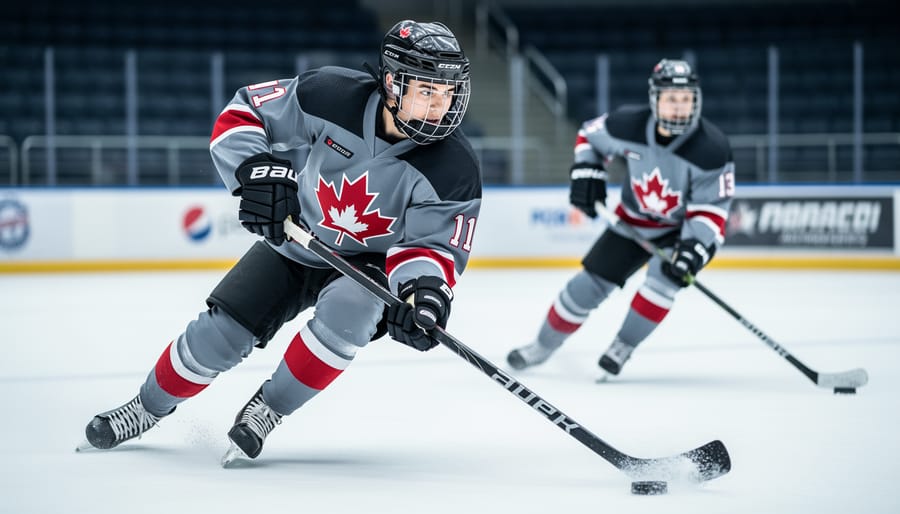
Junior championship hockey represents the highest level of competitive play for athletes aged 16 to 20, serving as the critical bridge between minor hockey and professional or collegiate careers. In Canada, this system has produced generations of world-class talent through a development model that balances elite competition with educational opportunities and personal growth. When young players earn selection to represent their country at events like the World Junior Championship or compete in prestigious tournaments such as the Dale Jr Championships they experience competition that tests not only their physical skills but their mental resilience, teamwork, and character under pressure.
Team Canada has built an unmatched legacy in international junior hockey, consistently competing for gold medals and showcasing a player development philosophy rooted in skill progression, tactical awareness, and leadership cultivation. The selection process identifies athletes who demonstrate technical excellence alongside qualities like coachability, emotional maturity, and academic responsibility. This holistic approach reflects a growing understanding that sustainable success requires more than raw talent.
For parents, coaches, and educators supporting junior-level athletes, the championship environment offers profound learning opportunities that extend far beyond the rink. Research shows that athletes who maintain educational commitments during their competitive years develop better time management, handle pressure more effectively, and transition more successfully into post-hockey careers. The key lies in creating support systems that celebrate athletic achievement while preserving academic progress and personal well-being, ensuring young players grow into well-rounded individuals prepared for whatever path their future holds.
Understanding Junior Championship Hockey
Age Divisions and Competitive Levels
Junior hockey operates across two primary age divisions sanctioned by Hockey Canada and the International Ice Hockey Federation (IIHF). The U18 division includes players under 18 years old and represents a critical bridge from minor hockey to higher levels of competition. At this stage, athletes refine fundamental skills while learning to compete under international pressure. The U20 division, which includes the prestigious Junior Hockey World Championship, showcases players aged 16 to 20 and serves as the final proving ground before professional or university hockey.
Within these age categories exist multiple competitive tiers. Elite-level players pursue pathways through major junior leagues, while others develop through junior A, B, or C streams based on skill level and readiness. This tiered structure ensures every athlete finds appropriate competition that challenges them without overwhelming their developmental stage. Quality youth hockey programs emphasize player readiness over rushing advancement, recognizing that successful progression depends on mastering skills at each level before moving up. Understanding these divisions helps parents and coaches set realistic expectations and choose pathways aligned with each athlete’s growth timeline, academic commitments, and long-term goals.
The Role of Championship Events
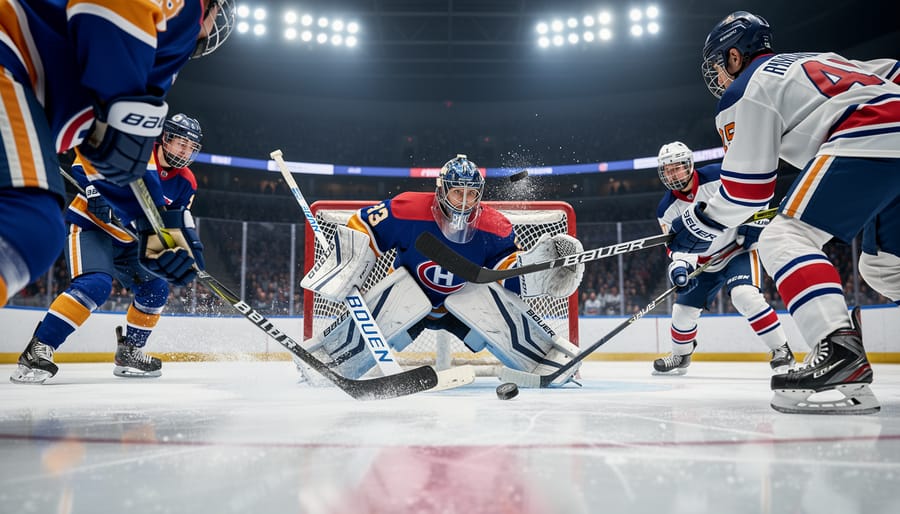
Championship tournaments represent far more than a final scoreboard. They are transformative experiences where young athletes test skills under pressure, learn to trust teammates in critical moments, and discover their own capacity for resilience when facing adversity.
These events compress months of preparation into intense competition windows. Players must adapt to unfamiliar arenas, different refereeing styles, and opponents they’ve never faced. That unpredictability builds mental flexibility. A lost lead in the third period becomes a lesson in composure. A tough loss teaches athletes to process disappointment, learn from mistakes, and prepare mentally for the next challenge.
Championships also reveal the power of collective effort. Individual talent matters, but tournaments reward teams that communicate, support each other through rough shifts, and maintain focus across multiple games in compressed schedules. Young athletes learn that success depends on doing their job while trusting linemates to do theirs, a lesson that extends well beyond hockey.
The preparation itself holds developmental value. Athletes balance training demands with academic responsibilities, manage travel logistics, and navigate high-stakes pressure. Coaches who frame championships as growth opportunities rather than win-or-lose events help players extract maximum learning. The tournament becomes a proving ground for character, where athletes discover they’re capable of more than they imagined and carry that confidence into future challenges both on and off the ice.
Canada’s Legacy in the Junior Hockey World Championship
The Selection Journey
Making Team Canada isn’t simply about scoring the most goals or posting the fastest lap times. Hockey Canada’s selection process looks beyond the stat sheet, seeking players who embody the values that define success on junior hockey’s biggest stage and beyond.
The journey typically begins at regional evaluation camps, where scouts assess hundreds of candidates. Coaches observe how players respond to instruction, how they communicate with teammates during drills, and whether they elevate those around them. A young athlete who demonstrates coachability, adjusting technique mid-session, asking thoughtful questions, often stands out more than one who relies solely on existing talent.
Character reveals itself in subtle moments: Does the player support a struggling teammate? How do they handle a tough drill or critical feedback? Hockey Canada explicitly weighs work ethic, attitude, and leadership potential alongside physical ability. Selection committees review input from coaches, teachers, and billet families to understand the whole person.
This holistic approach reflects a fundamental truth: championship teams need players who can adapt under pressure, maintain composure when trailing, and put team success ahead of personal statistics. The selection process itself becomes a teaching moment, showing young athletes that excellence means more than highlight-reel plays. It means showing up prepared, treating every practice like it matters, and carrying yourself with integrity whether you’re wearing the maple leaf or supporting from the stands.
What Players Gain Beyond the Ice
Representing Canada at the Junior Hockey World Championship transforms young athletes in ways that extend far beyond the scoreboard. Players navigate new cultures, learn diplomatic skills through international interaction, and discover how different hockey traditions approach the game. Managing multiple time zones, unfamiliar practice schedules, and academic commitments from abroad teaches time management under pressure, a skill that translates directly to university life and professional careers. Athletes maintain coursework through online platforms, coordinate with teachers to submit assignments between games, and realize that discipline in one area strengthens performance in another.
The mental demands of international competition build resilience that shapes character for decades. Players face adversity in high-stakes moments, learn to recover from mistakes in front of packed arenas, and develop confidence through representing their nation. Leadership emerges naturally as teammates rely on each other in unfamiliar environments, creating bonds and communication skills that prove invaluable in any future endeavor. This holistic development reflects the values embedded in programs that understand championships as educational opportunities, much like the Dale Hunter legacy demonstrates through emphasizing character alongside competition. Young athletes return home not just as better hockey players, but as more capable students, communicators, and leaders prepared for life’s challenges.
The Developmental Philosophy Behind Junior Championships
Physical and Skill Preparation
Preparing junior athletes for championship hockey requires a carefully structured approach that builds performance capacity while protecting developing bodies. The foundation rests on age-appropriate training that respects biological maturation rather than treating young players as miniature professionals.
Periodization, the systematic planning of training phases, proves essential at the junior level. Rather than maintaining constant high intensity, effective programs cycle through preparation, competition, and recovery phases. During off-season months, athletes focus on building aerobic base fitness and fundamental movement patterns. As championships approach, training shifts toward sport-specific conditioning and tactical refinement. This cyclical approach prevents overtraining while peaking performance when it matters most.
Skill development at this level emphasizes quality repetition over volume. Deliberate practice sessions that isolate specific techniques, edgework, puck handling under pressure, shooting mechanics, create more improvement than simply playing more games. Video analysis helps athletes visualize proper execution and identify areas for refinement.
Strength training must align with growth stages. Young athletes benefit most from bodyweight exercises, stability work, and proper movement mechanics before adding significant external loads. Hockey-specific power develops through exercises that mirror on-ice demands: lateral movements, rotational strength, and explosive starts.
Recovery receives equal weight to training. Adequate sleep, proper nutrition, and scheduled rest days aren’t luxuries, they’re necessities for adaptation and injury prevention. Athletes who understand recovery as part of training, not time off from it, build sustainable excellence that carries them through championship pressure and beyond.
Mental and Emotional Readiness
Championship hockey demands more than physical talent. Young athletes face intense scrutiny, high stakes, and pressure that can overwhelm even skilled players. Mental preparation separates those who thrive from those who crumble.
Start with visualization techniques. Players should mentally rehearse specific situations, penalty shots, defensive zone coverage, crucial faceoffs, before they occur. This mental practice builds neural pathways that activate during actual play, making responses more automatic under stress.
Teach athletes to control their self-talk. Negative internal dialogue (“I can’t miss this”) creates anxiety. Replace it with process-focused cues (“follow through, eyes on target”). This shift redirects attention from outcomes to controllable actions.
Develop pre-game routines that create consistency. Whether it’s listening to specific music, following a warm-up sequence, or using breathing exercises, these rituals signal the brain that it’s time to perform. Consistency breeds confidence.
Address failure constructively. Championship competition guarantees setbacks. Athletes who view mistakes as learning opportunities rather than catastrophes bounce back faster. Coaches should model this by analyzing errors calmly, focusing on adjustments rather than blame.
Build resilience through controlled exposure to pressure in practice. Simulate late-game scenarios, add consequences to drills, or create competitive situations where stakes feel real. Familiarity with discomfort reduces its power.
Keeping Education Front and Center
Balancing championship hockey with academics isn’t optional, it’s essential for long-term success. Elite junior programs build academic time into training schedules, recognizing that educated athletes make better decisions on and off the ice. Smart strategies include setting non-negotiable study blocks, using travel time productively, and communicating openly with teachers about competition schedules.
Hockey Canada’s national team programs require academic standing checks before selection camps. This sends a clear message: education matters as much as athletic performance. Coaches can reinforce this by celebrating academic achievements alongside on-ice milestones, treating report cards with the same respect as tournament results.
Parents play a crucial role by protecting homework time even during intense training periods and helping young athletes see school as part of their competitive advantage, not an obstacle to it.
How Coaches and Parents Can Support Junior Championship Athletes
Creating Healthy Expectations
Setting goals that fuel motivation rather than anxiety starts with conversations about improvement, not trophies. When preparing young athletes for championship hockey, frame success around daily habits, showing up prepared, communicating with teammates, executing skills better than last week. This approach keeps the focus on controllable actions rather than outcomes determined by dozens of variables beyond their influence. Parents and coaches should ask, “What did you learn today?” instead of “Did you win?” This mindset shift reduces performance anxiety while building genuine confidence.
Research consistently shows that athletes driven by mastery goals, the desire to improve and learn, demonstrate greater resilience and long-term engagement than those fixated on proving themselves through results. Championship opportunities become learning laboratories rather than high-stakes judgments when we emphasize personal growth. Programs committed to reshaping young players prioritize these developmental conversations, recognizing that healthy expectations create athletes who handle pressure, learn from setbacks, and maintain their love for hockey regardless of tournament outcomes. When we celebrate effort, strategic thinking, and team contributions as much as goals scored, we give young athletes permission to compete freely.
Supporting the Whole Person
Academic success doesn’t happen by accident during intense hockey seasons. Establish a consistent homework routine that respects practice schedules but doesn’t treat schoolwork as optional. Many families find success with early-morning study sessions before school or designated Sunday afternoons for catching up on assignments. Communicate with teachers proactively about tournament schedules so your athlete can access assignments in advance rather than scrambling to catch up afterward.
Social development needs intentional attention too. Encourage friendships outside hockey circles through school clubs, volunteering, or other interests. These connections provide perspective, prevent isolation, and remind young athletes they’re valued for who they are, not just what they achieve on ice. Schedule regular family time that has nothing to do with hockey, board game nights, hiking, cooking together, to maintain identity beyond the sport.
Emotional well-being thrives when young athletes feel heard without judgment. Create space for honest conversations about pressure, disappointment, and fear of failure. Validate their feelings rather than rushing to fix problems or offer reassurance. Sometimes they just need someone to listen.
Recognizing Signs of Burnout and Overtraining
Burnout doesn’t announce itself with a single dramatic moment, it creeps in gradually through subtle shifts in behavior and performance. Watch for persistent fatigue that rest doesn’t fix, a noticeable drop in enthusiasm for practices or games, increased irritability or emotional outbursts, declining academic performance, frequent minor injuries, disrupted sleep patterns, or withdrawal from teammates and family. Physical red flags include prolonged muscle soreness, elevated resting heart rate, and recurring illness as the immune system weakens.
When you spot these signs, respond with curiosity rather than criticism. Open a conversation: “I’ve noticed you seem tired lately, what’s going on?” Adjust training loads immediately, build in rest days, and reassess priorities. Sometimes the best intervention is permission to step back temporarily. Recovery isn’t weakness; it’s essential maintenance that protects both the athlete’s health and their long-term love of the game.
Common Questions About Junior Championship Hockey
Families and educators often have practical questions when a young athlete shows promise or interest in junior championship hockey. Understanding the realities of participation, preparation, and balance helps everyone make informed decisions that support the athlete’s development both on and off the ice.
What age can my child participate in junior championship hockey?
Junior championship events typically begin at the U15 level for regional competitions, with premier international tournaments like the IIHF World Junior Championship featuring U18 and U20 divisions. Players develop through local and provincial levels before potentially reaching these elite stages.
How much does participation in championship hockey cost?
Costs vary widely depending on the level, local championships may involve modest registration and travel fees, while elite programs can require significant investment in specialized training, equipment, and travel. Many Hockey Canada programs and provincial associations offer financial assistance for families who qualify.
How do players balance school during championship season?
Successful athletes work closely with teachers to plan ahead, complete assignments early when possible, and communicate proactively about absences. Many schools recognize the educational value of these experiences and support flexible arrangements, though maintaining grades remains the athlete’s responsibility.
What if my child isn’t selected for a championship team?
Not being selected doesn’t close doors, it’s an opportunity to identify areas for growth, develop resilience, and refocus on skill development. Most elite athletes face setbacks along their journey, and how young players respond to disappointment often matters more than early success.
Beyond these common concerns, parents and coaches should remember that championship participation represents just one part of a young athlete’s hockey journey. The skills, friendships, and lessons learned through preparation often prove more valuable than any single tournament outcome. When approached as a developmental experience rather than a make-or-break event, championship hockey enriches a young person’s education and character in ways that extend far beyond the final buzzer.
Junior championship hockey represents far more than a series of tournaments culminating in events like the Junior Hockey World Championship. When Team Canada takes the ice at these international competitions, the young athletes wearing the maple leaf carry lessons that extend well beyond the final buzzer, lessons in resilience, teamwork, time management, and the balance between excellence and well-being.
The true measure of success in junior championship hockey isn’t found solely in medal counts or tournament standings. It lives in the student-athlete who learns to manage calculus homework during team travel, the player who develops leadership skills that shape their future career, and the young person who discovers mental toughness through adversity. These championships serve as powerful catalysts for growth when coaches, parents, and educators maintain perspective on what matters most.
As you support young athletes pursuing championship opportunities, remember that the goal isn’t just creating elite hockey players, it’s developing well-rounded individuals who carry the discipline, passion, and character gained through sport into every aspect of their lives. Whether a player eventually represents their country or simply treasures the friendships and lessons learned along the way, junior championship hockey offers a framework for holistic development that lasts far longer than any trophy.
The young athletes competing today are tomorrow’s leaders, educators, and community builders. By prioritizing their complete development, academic, emotional, social, and athletic, we honor the true spirit of junior championship hockey and give them tools that serve them for a lifetime.